
Need help? Talk to an expert
0721-393-842

Need help? Talk to an expert
0721-393-842
Rear windows used to be simple pieces of glass, but modern vehicles have turned the rear glass into a functional “system” that supports visibility, safety, and comfort. Today, rear glass can include heating elements for the demister, integrated antennas, factory tint layers, mounting points for cameras, and seals designed to control wind noise and water entry, which is why rear window tech matters more than most drivers realise. When the rear window is damaged or replaced, it is not only the glass that needs attention; the sensors, camera mounts, wiring, and seals all have to be handled correctly to avoid new faults after the job is done.
This matters most on vehicles that rely heavily on rear cameras for reversing guidance, parking assistance, driver alerts, or 360° camera views. Even a small shift in camera angle, a different mounting bracket, or residue left in the camera viewing area can change what the system sees, which can lead to inaccurate guidelines, poor image quality, or warning messages that appear after replacement. If you are researching
rear window replacement because of damage, understanding how calibration and camera mounting work will help you avoid the common problems that occur when the glass is replaced without a full tech check.
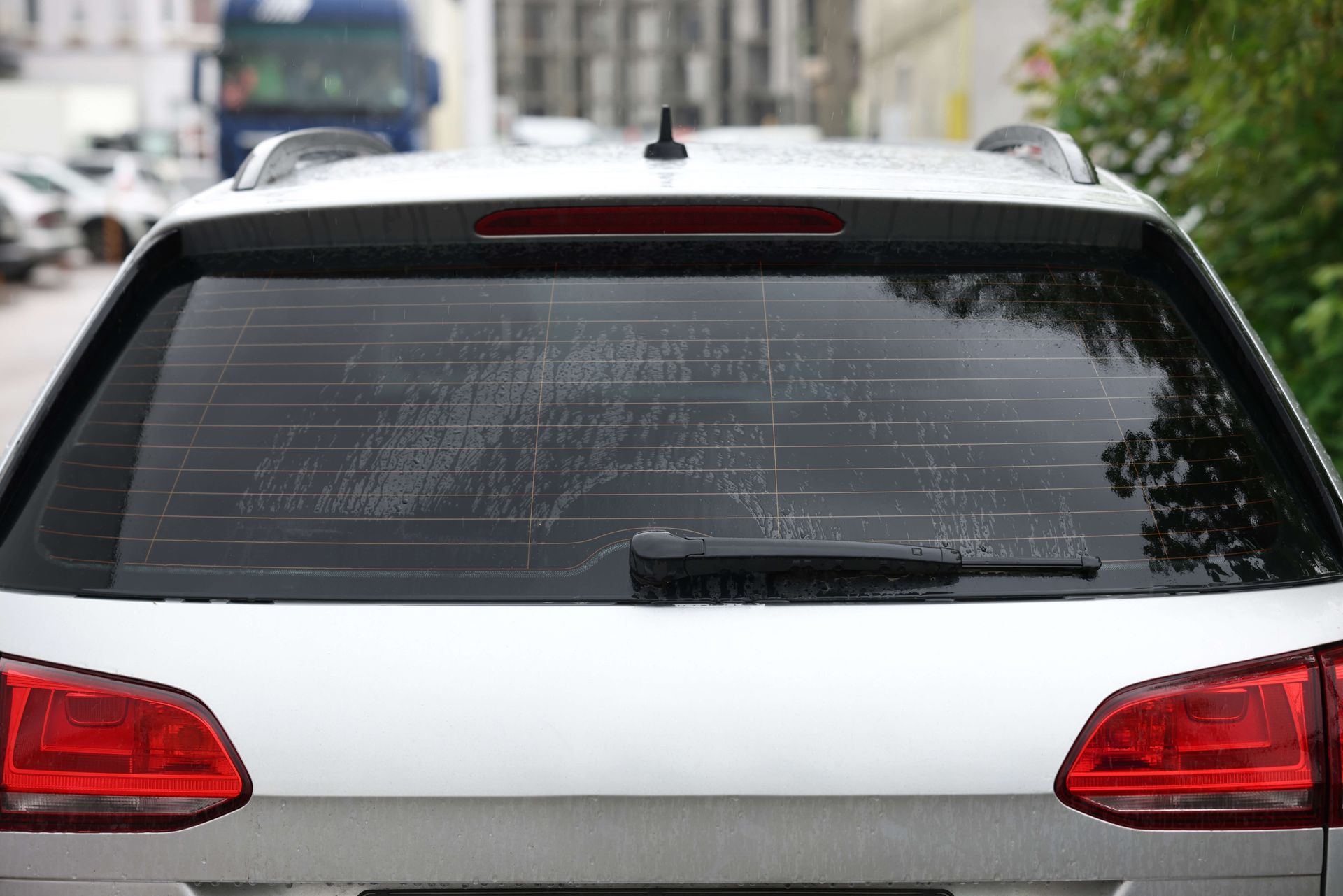
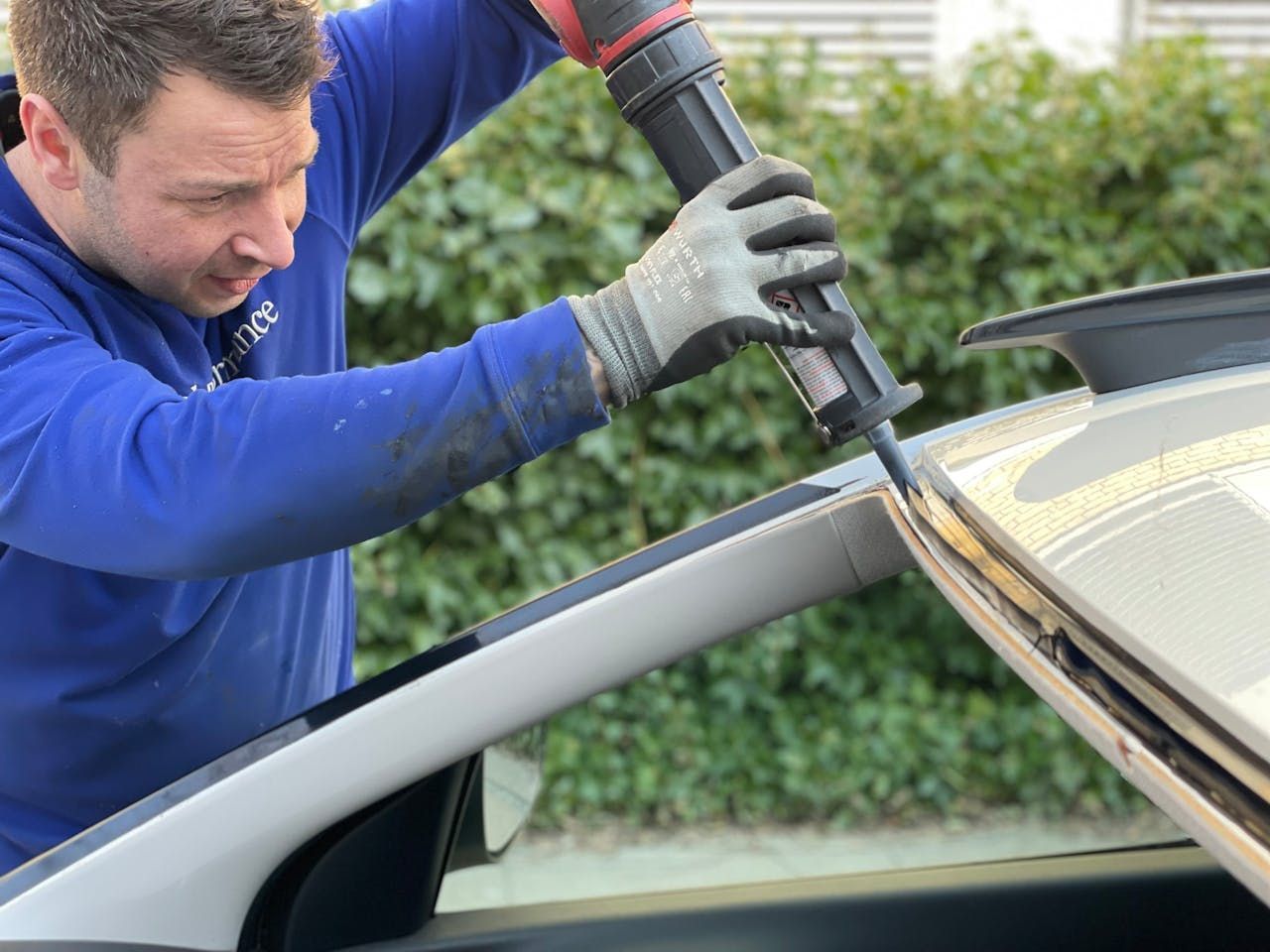
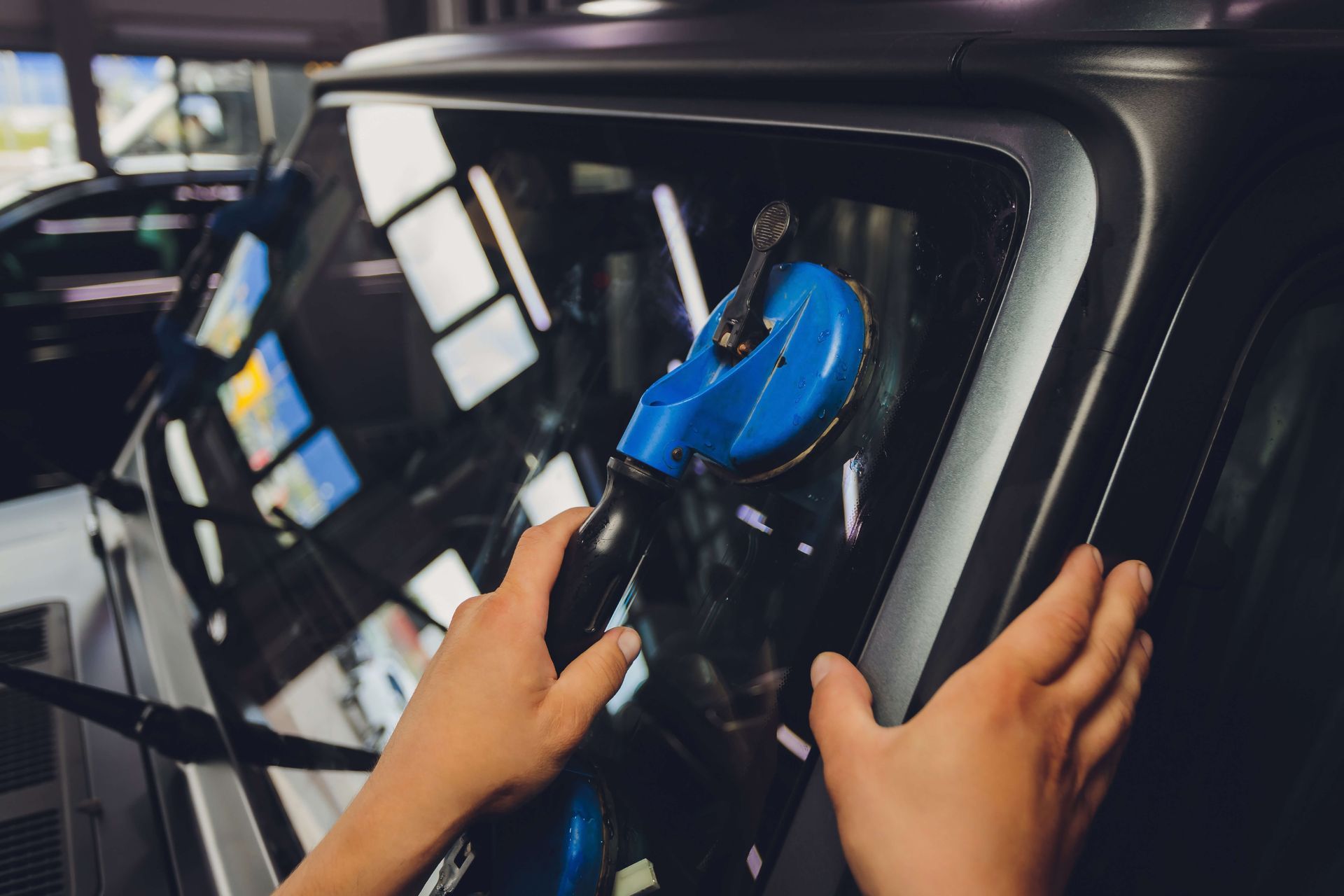
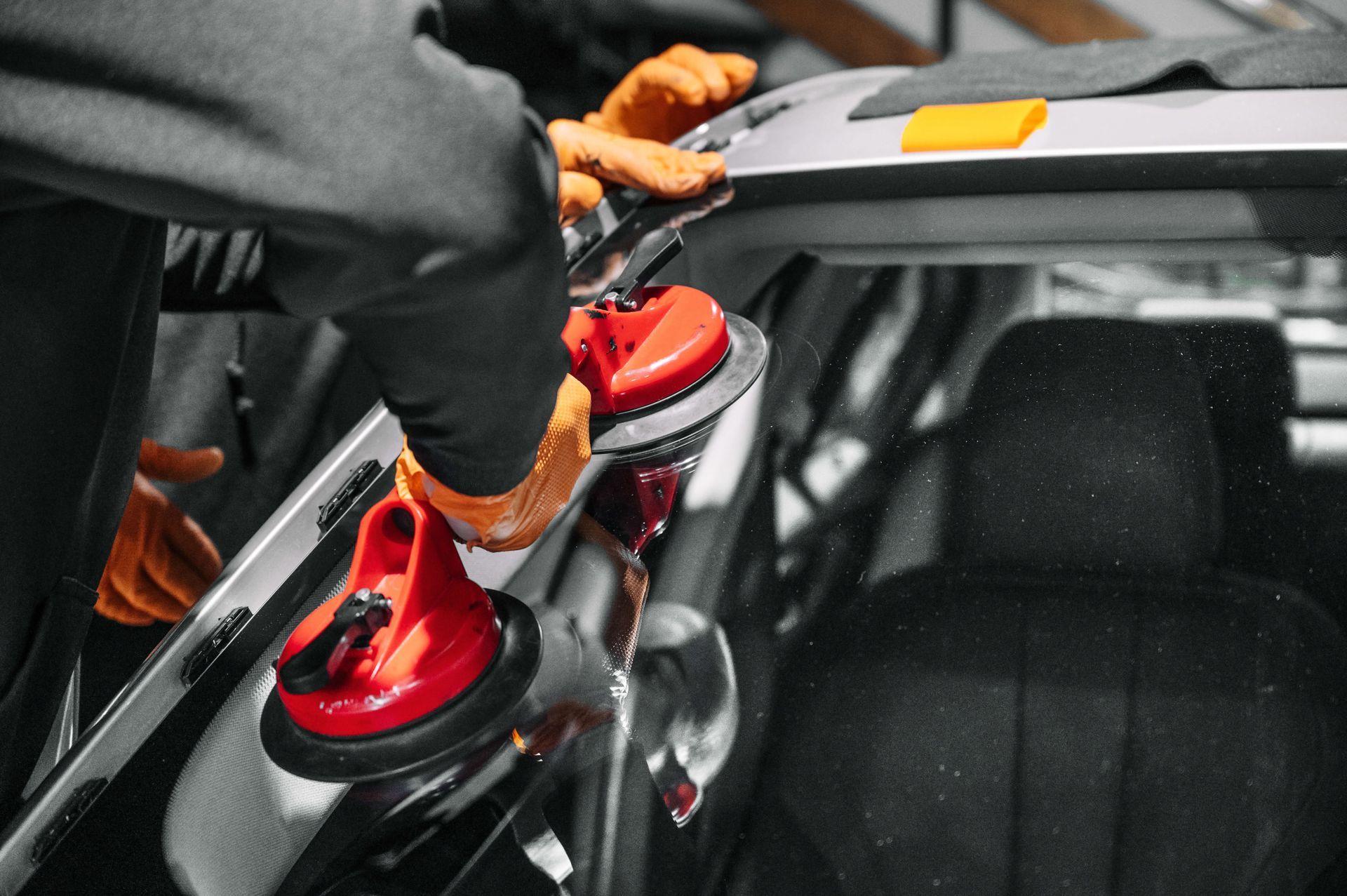
The rear glass is now connected to multiple systems in many vehicles, which is why an auto rear window replacement often involves more than removing broken glass and bonding in new glass. The rear demister grid has to be protected and reconnected properly, and antennas embedded in the rear glass have to remain functional if you want reliable radio reception or connectivity. On some models, the rear camera or camera housing is mounted through, onto, or adjacent to the rear glass area, which means the glass replacement process can directly affect camera alignment and clarity.
Because vehicles vary widely, the correct process depends on the vehicle make, the type of rear camera setup, and whether the vehicle uses basic reversing cameras or advanced systems. This is one reason quick
windscreen replacementscan sometimes create issues, because the camera might work, but the image can be skewed, the guidelines may not match the true path, or the system may display warnings if it detects abnormal input.
Calibration is the process of making sure a camera or sensor system is correctly aligned so it interprets the environment accurately. Depending on the vehicle, calibration can involve software-guided procedures, target patterns, scanning tools, or learning routines that verify camera angle and reference points. Some vehicles need camera calibration after certain repairs, while others rely on a consistent physical mount and only need calibration if the camera position changes.
Brisbane Windscreens gives rear camera systems, which can be sensitive because their purpose is accuracy at close range. A slight change in angle can make guidelines appear off, which can mislead the driver about the distance to objects, kerbs, or other vehicles. Calibration needs often increase when the camera is mounted on the rear glass, when the camera housing is removed and reinstalled, or when the rear window replacement changes the bracket alignment.
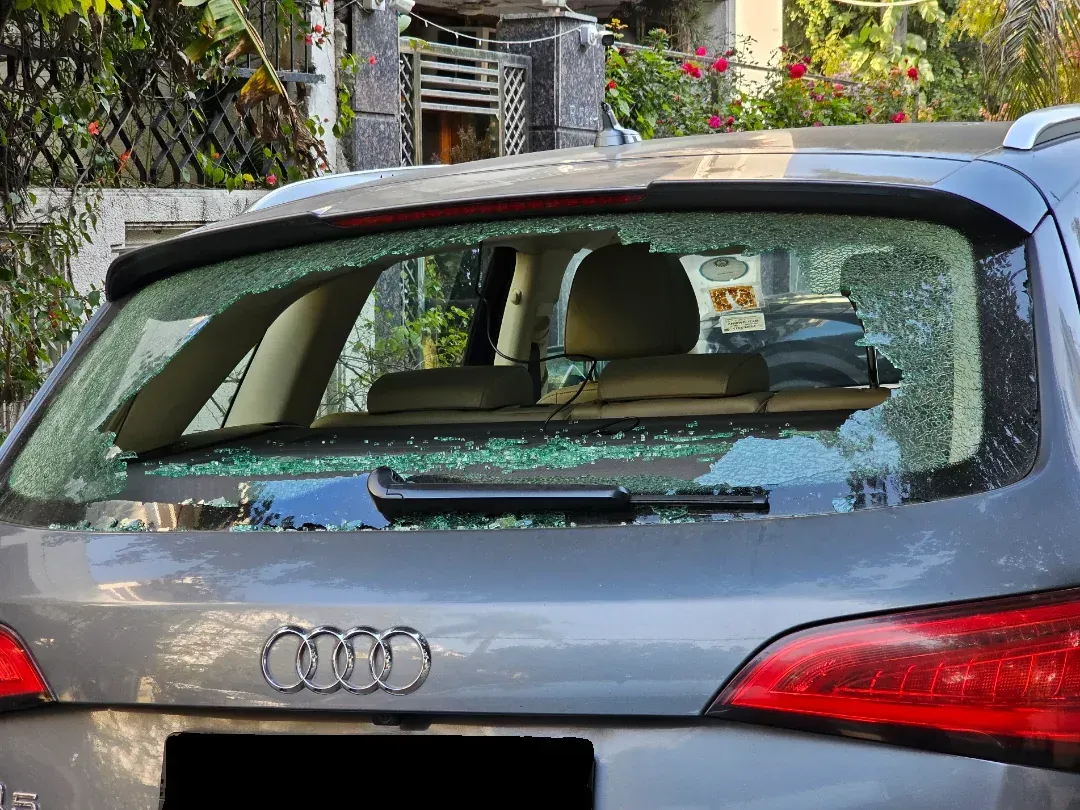
If you are replacing the car's rear window glass because of shattering or cracking near the camera zone, it is smart to assume the camera setup needs to be checked carefully, even if you are not sure whether full calibration is required.
Rear glass replacement can affect rear camera performance in several practical ways. The first issue is physical alignment, because camera brackets, housings, or mounts may shift if the bonding surface is not prepared evenly or if the mount is not reinstalled exactly as it was. The second issue is visibility, because adhesive squeeze-out, fingerprints, dust, or haze can sit in the camera’s viewing area and create blur, glare, or distortion that makes the image look low quality. The third issue is electrical or connection-related, because wiring to camera modules, demisters, or antennas can be disturbed if connectors are pulled, pinned, or reattached incorrectly.
Even the glass type can matter in some cases, because differences in tint, coatings, or the way light passes through the glass can change how the camera image appears, especially at night or in bright sun. A good
rear window glass replacementprocess accounts for these factors by treating the camera zone as a precision area rather than.
Rear wipers are easy to overlook until they stop clearing properly, and many drivers only notice problems after the first rain. If you are dealing with rear window wiper replacement or rear window wiper blade replacement, it helps to know that poor wiping can come from more than the blade itself. Wiper chatter can be caused by hardened rubber, contamination on the glass, or the wrong blade type, while streaking can be caused by residue or damage in the sweep area.
If you are searching how to replace rear window wiper blade, the key is to match the correct blade style, install it firmly, and clean the glass in the wiper path so the new blade is not trying to wipe through oily film. If you are looking up how to replace rear window wiper, the job may involve removing the wiper arm and checking the motor or linkage, and that is where professional help can save time if the arm is seized or the motor is weak. After any rear car window replacement, it is worth checking the wiper performance early, because if the glass has residue or the blade is worn, the camera view and rear visibility can both suffer.
Drivers often search for rear window replacement price or replacement rear window cost, and are surprised that figures vary widely. The cost depends on the vehicle model, whether the rear glass includes a demister grid, antenna integration, tint layers, or special mounting features, and whether trims or modules need careful removal. Labour time also changes depending on whether glass is shattered throughout the frame, because removing embedded fragments from seals and trims takes longer than replacing a cleanly cracked pane.
Vehicles with unique glass shapes, rare parts availability, or complex tech setups can cost more. That is why model-specific searches like Ford F150 rear window replacement cost or
truck & bus windscreen often show a wide range, because the actual price depends on the exact rear glass configuration and what is attached around it. If you are looking for window replacement near me, the best approach is to request a quote that considers the vehicle’s tech features, not just the glass size, because a correct job includes verifying related functions after installation.
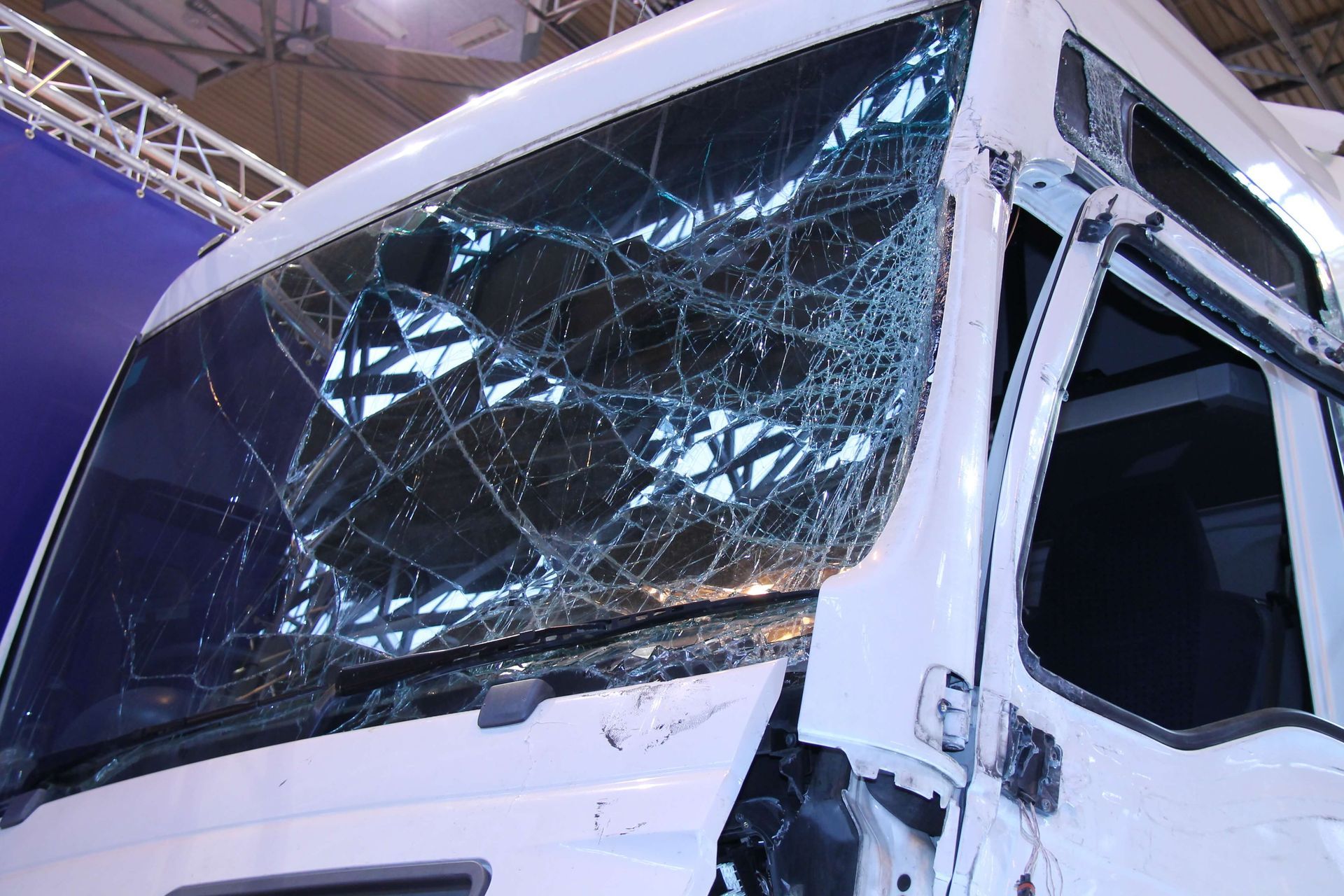
Rear glass is often replaced rather than repaired because damage tends to be larger, more structural, or involves shattering. However, a professional assessment still matters because sometimes the rear glass is intact and the issue is actually with seals, trims, or related components. This is also where a broader glass provider can be useful, because some customers book rear work and later discover a separate visibility or safety issue on the front glass.
If your vehicle has front glass damage,
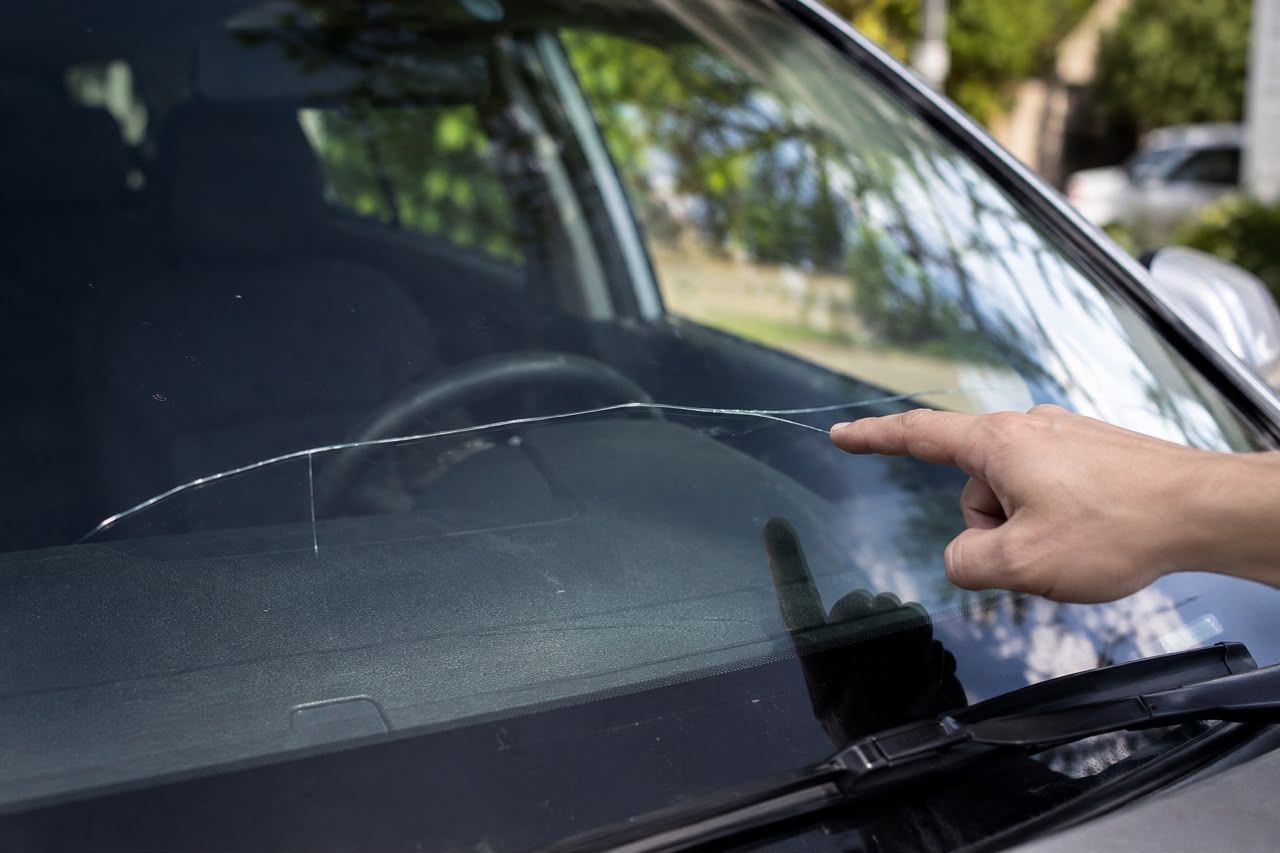
Windscreen Repair can be a practical option for smaller chips when addressed early, while Windscreen Replacement becomes necessary when cracks spread, damage sits in critical vision areas, or structural safety is affected. Handling the whole glass system correctly matters because many vehicles rely on multiple cameras and sensors, and consistency across repairs is what helps keep safety features working
properly.
Commercial vehicles and larger utes often come with added complexity. Fleet vehicles may have heavier use, more vibration, and accessories that impact seals and mounting points, while buses and trucks can have larger glass surfaces and different fitting requirements. If your work vehicle needs service, Truck & Bus Windscreen support should include practical scheduling and a process that minimises downtime, because downtime costs money in commercial operations. Even small components matter in these vehicles. Rubber seals, trims, and bonding lines take more stress, so Windscreen Rubber Replacement and proper sealing can be critical to reduce wind noise, prevent leaks, and protect electronics from moisture intrusion.
Do all vehicles need camera calibration after a rear window replacement?
Not every vehicle needs a formal calibration procedure, but the camera system should always be checked after replacement because even a small change in mounting position, bracket alignment, or viewing clarity can affect guideline accuracy and image performance.
What are the common signs that rear window tech is interfering with the camera view?
You may notice blurry or hazy images, glare at night, guidelines that don’t match the vehicle’s path, warning messages on the dashboard, or a camera picture that looks slightly tilted compared to how it looked before the rear window was replaced.
Why does rear window replacement cost vary so much between vehicles?
Pricing changes because rear glass often includes features like demister grids, antennas, tint layers, and specific trims or mounts, and labour time increases if the glass has shattered widely or if the vehicle has complex fittings that require careful removal and refitting.
Can rear window wiper issues happen after rear glass work, and what should I do first?
Yes, because residue on the new glass, an old blade, or a disturbed wiper position can cause streaking or chatter, so the first step is to clean the wiper sweep area and replace the blade if it’s worn, and then have the wiper arm or motor checked if performance still doesn’t improve.
If you need auto glass rear window replacement because of cracks, shattering, or visibility problems, it is worth choosing a service that treats rear glass as a tech component, not a simple pane. Brisbane Windscreens provides mobile support for Windscreen Replacement as well as Side Window Replacement, and the approach is designed to keep vehicle systems working properly after the glass is installed. When stain-like haze, residue, or alignment problems affect visibility, correct cleaning, checking, and recovery steps matter as much as the glass itself, because a finished job should include clear vision and properly functioning rear features.
Contact us if you want a one-off replacement or if you suspect camera interference after rear glass damage. A professional assessment can identify whether the issue is alignment, residue, mounting, or a deeper system requirement, and that clarity helps you avoid repeat visits and ensures the rear window tech works the way it should.
Let's connect! We’re here to help.
Send us a message and we’ll be in touch.
Or give us a call today at 0721-393-842


Brisbane Windscreens is the mobile windscreen replacement and repair service provider in Brisbane.
Email us:
Call or text us:
Business Address:
255 Redbank Plains Rd,
Redbank Plains QLD 4301