
Need help? Talk to an expert
0721-393-842

Need help? Talk to an expert
0721-393-842
Rear glass replacement is not the same for every vehicle. A hatchback and a sedan may both have a back window, but the way the glass is fitted can be very different. The shape of the vehicle, the trim around the glass, the wiring, the rear wiper, and the boot or tailgate design can all change how the job is done.
At Brisbane Windscreens, we help Brisbane drivers address damaged rear glass safely and effectively. A broken rear windscreen can affect your view, your vehicle’s security, and the way your car is protected from rain, dust, and road noise. Knowing the difference between hatchback and sedan rear glass can help you understand why the right glass, the right tools, and the right fitting process matter.
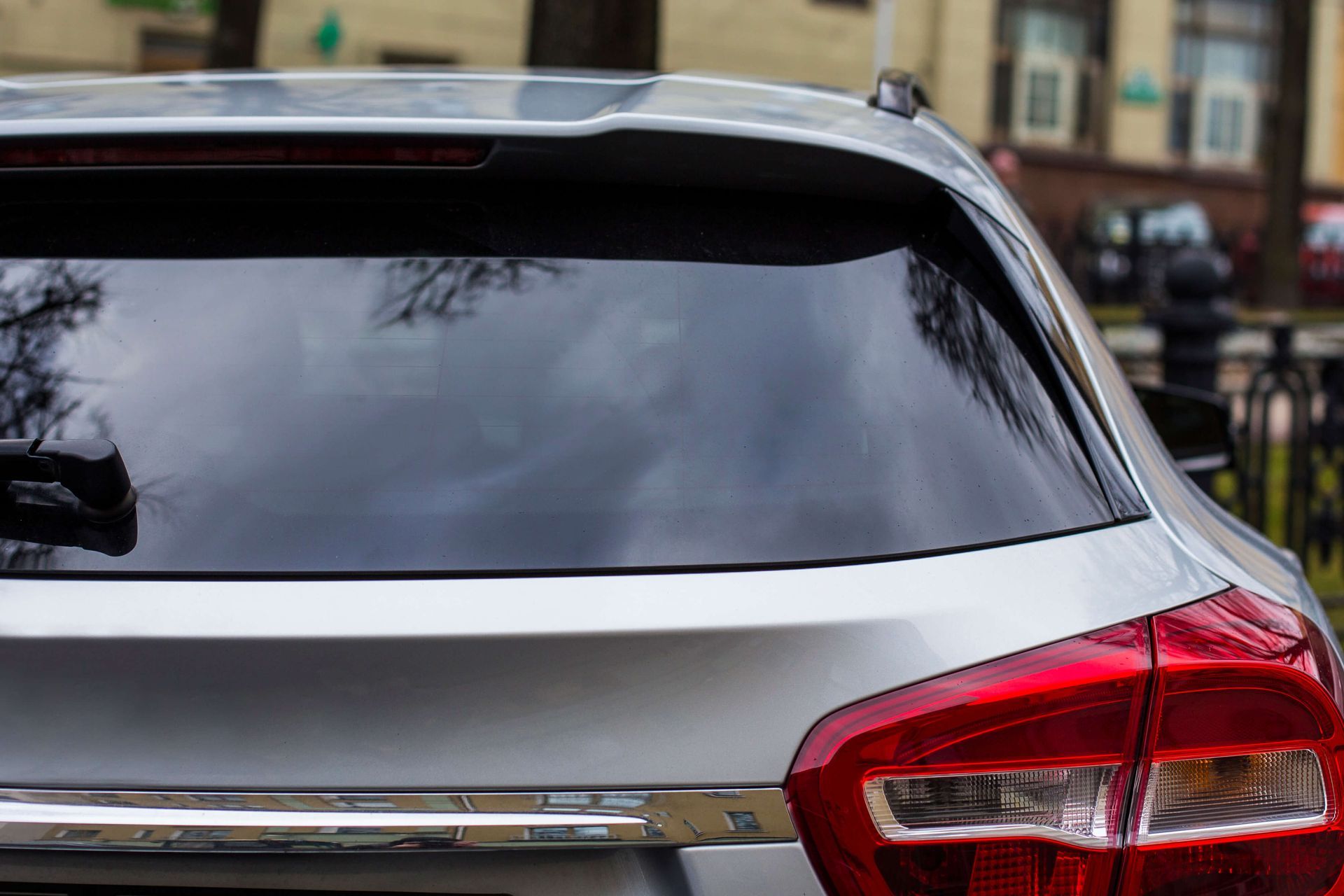
The main difference is how the rear glass sits in the vehicle. In a hatchback, the rear glass is usually fitted into the tailgate, which opens and closes when you use the boot. In a sedan, the rear glass is usually fixed into the body of the car above the boot and does not move.
These differences can affect the replacement process in several ways:
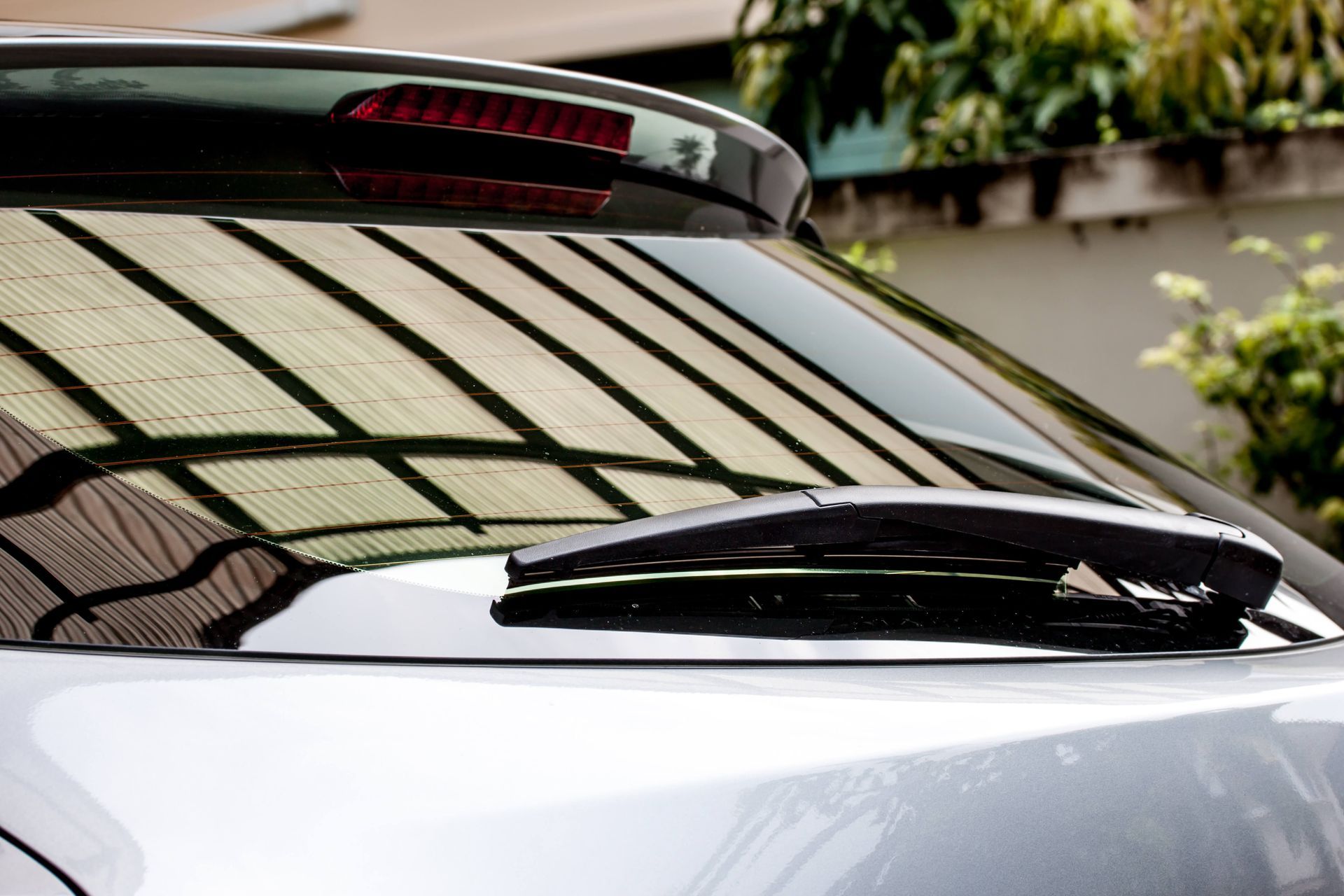
Hatchback rear glass can be more complex because it is usually part of a moving tailgate. The glass may sit close to rear wipers, washer jets, washer hoses, demister wires, brake lights, spoilers, cameras, and tailgate trim. These parts need to be handled with care during removal and replacement. If the vehicle has a rear wiper, the replacement glass must have the correct hole and fitting point. If the washer line is not checked properly, water may leak into the tailgate. If the tailgate trim is removed roughly, the clips can break or rattle later.
The glass also needs to be positioned correctly so the tailgate opens, closes, and seals properly. This is where Rear Window Replacement must be done carefully. A hatchback rear window is not just a flat piece of glass. It is part of a working rear door system. If it is not fitted well, you may get leaks, wind noise, trim issues, or rear wiper problems.
Sedan rear glass is usually fixed into the body above the boot. It does not move like hatchback rear glass, but it still has its own challenges. The glass can be large, sloped, and fitted close to the rear seats, parcel shelf, brake light, demister wires, and inside trim. During replacement, the technician may need to protect the rear seats, parcel shelf, boot area, and interior panels. The bonding surface must be cleaned and prepared correctly so the new glass sits evenly. If the vehicle has demister lines, antenna lines, tint, or other built-in features, the new glass must match the car properly.
A sedan rear window can also be harder to handle because of its size and angle. The glass must be placed with care so it seals against the body and does not create gaps. Poor fitting can lead to water leaks, wind noise, or damage to nearby trim. Sedan rear glass may look simple from the outside, but the access work can be detailed.
Rear glass may look like one simple panel, but many vehicles have extra features built into or around it. These features can affect the type of glass needed, the replacement time, and the care required during fitting.
Common rear glass features include:
Each feature must be checked before and after
replacement. If the demister is not connected properly, the glass may not clear in wet or humid weather. If the wrong glass is used, the wiper, tint, antenna, or trim may not line up correctly. The right replacement glass should suit the exact vehicle model, year, and body style.
The rear glass can break for many reasons. It may be damaged by road debris, falling branches, hail, break-ins, loading accidents, sudden temperature changes, or impact from objects inside or outside the car. Sometimes the glass can also fail if it is already under stress near the edge. Brisbane weather can also play a part. Hot days, sudden storms, hail, and falling tree branches can all increase the risk of rear glass damage. A car parked outside during storm season may be more exposed. Worksite roads, highways, and gravel areas can also throw up debris that damages glass.
Hatchbacks may face extra stress because the glass moves with the tailgate. If the tailgate is slammed while the glass or frame is already under pressure, damage can happen. Sedans may be affected by boot-area impact, body movement, or pressure around the fixed glass opening. Some damage happens suddenly, but the cause may have been building up over time.
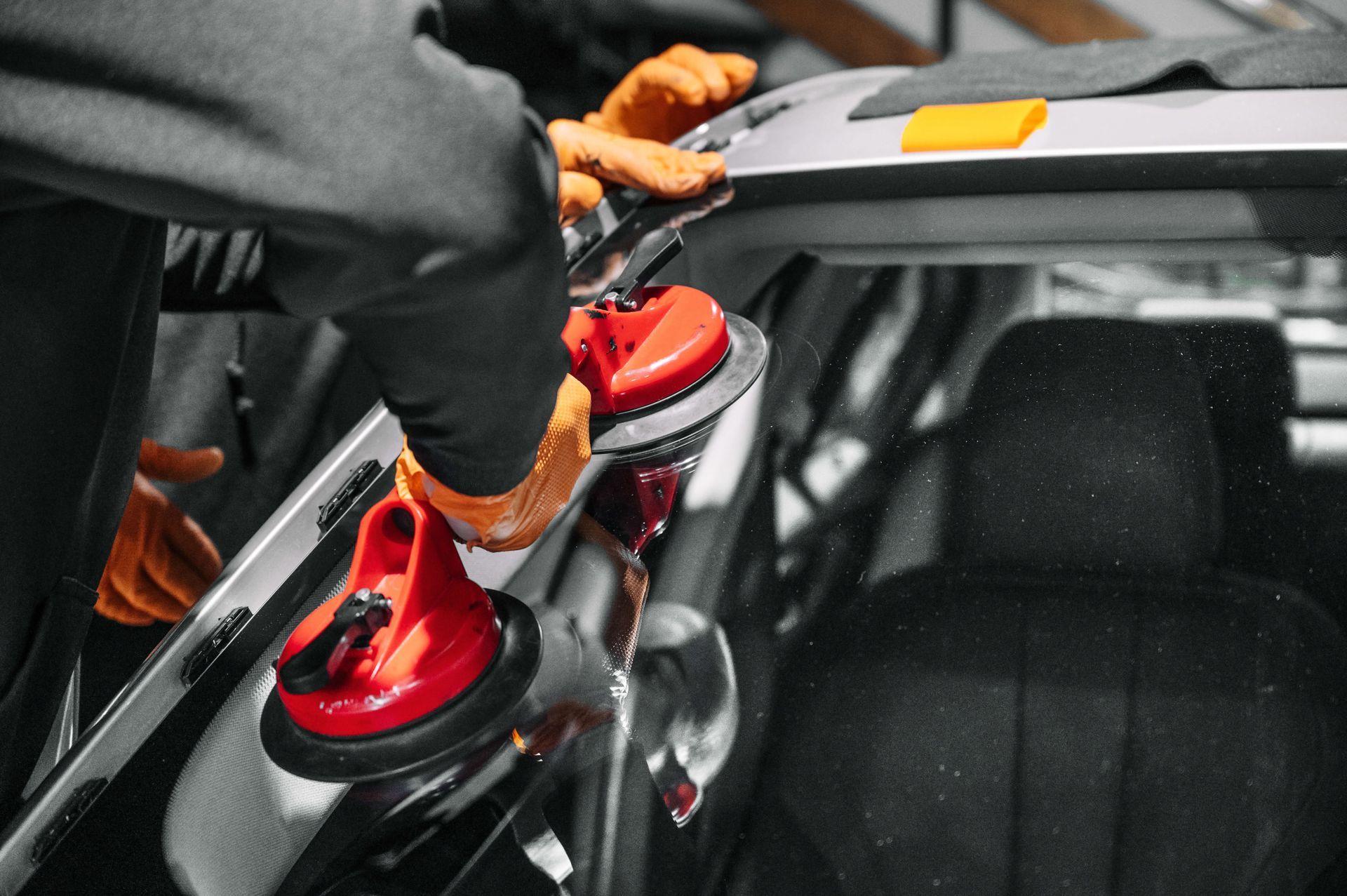
Rear glass replacement needs more than just a new piece of glass. The correct glass must match the vehicle, and the fitting must suit the body style. Hatchbacks, sedans, SUVs, trucks, and other vehicles can all have different access points, trim parts, wiring, seals, and glass features. Brisbane Windscreens can help drivers with rear window damage caused by break-ins, road debris, storms, impact, or sudden glass failure. The team can check the vehicle details, select the right glass, remove broken glass safely, and fit the replacement with care.
The goal is to restore visibility, security, weather protection, and comfort. Whether the issue is a shattered rear window, a leaking seal, or a damaged side glass panel, it is important to get the right service for the problem. If your rear glass is broken or unsafe, booking help early can reduce further damage to the vehicle.
Is a rear windscreen the same as a rear window?
Yes, a rear windscreen is often the same part people call a rear window, rear glass, or back glass. It is the glass panel at the back of the vehicle. It helps the driver see behind the car and protects the cabin from rain, dust, wind, and road noise. In a hatchback, the rear windscreen is usually fitted into the tailgate.
Is the hatchback rear glass different from the sedan rear glass?
Yes, hatchback rear glass is usually different from sedan rear glass because the two vehicle bodies are built differently. Hatchback rear glass is often part of a tailgate that opens and closes. It may include a wiper hole, washer line, demister wiring, spoiler trim, or camera area.
Why do hatchbacks often have rear wipers but sedans do not?
Hatchbacks often have rear wipers because their rear glass is more upright and sits closer to the back of the vehicle. This shape can collect more road spray, dust, and water, especially in rain. Sedans have a boot shape that changes how air moves around the rear window, so dirt and water may not build up in the same way.
Can a rear windscreen be repaired, or does it need replacement?
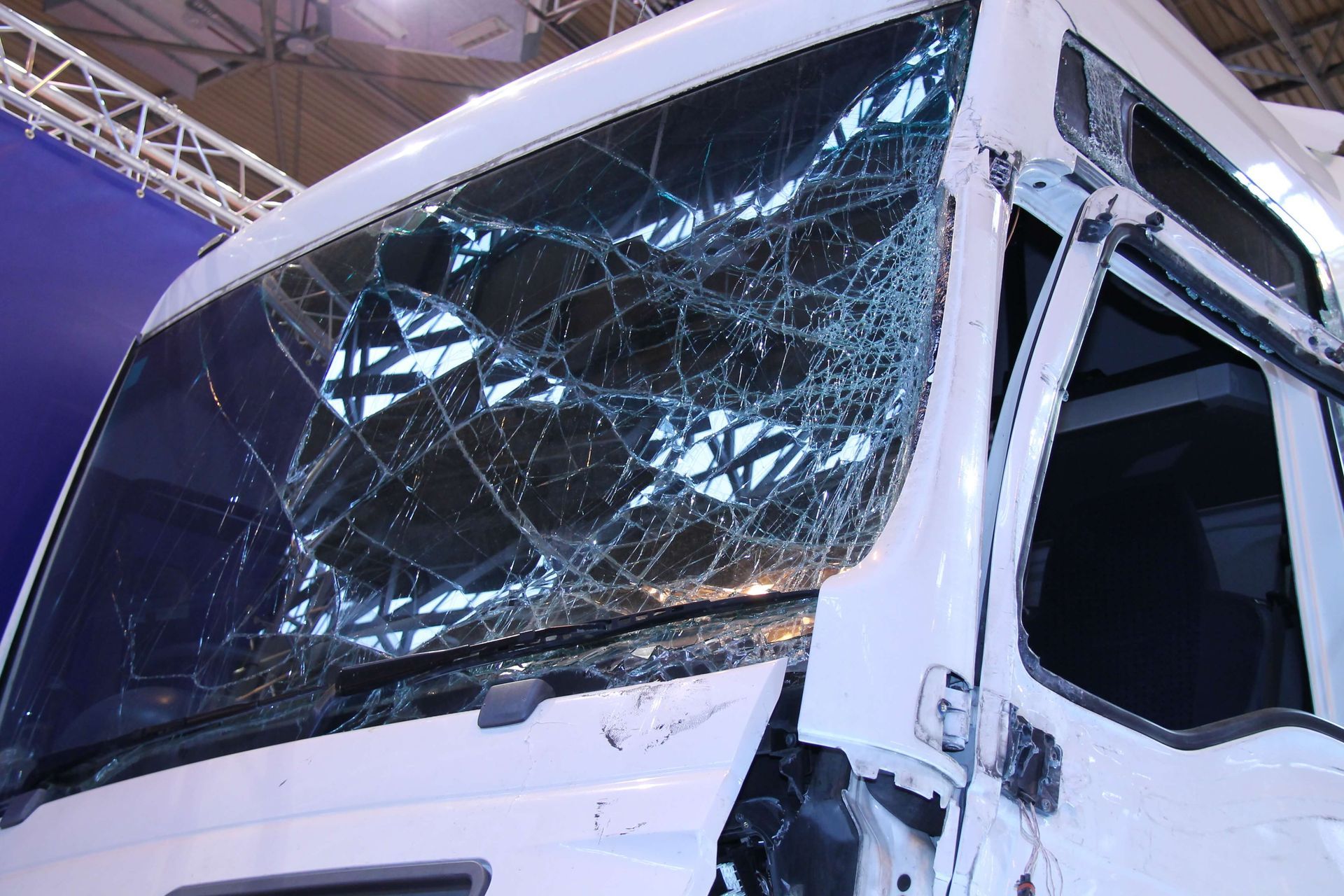
A rear windscreen usually needs replacement when it is shattered, badly cracked, or damaged near the edge. Many rear windows are made from tempered glass, which breaks into small pieces when it fails. This is different from some front windscreen chips that may be repaired if they are small and safe to fix.
Hatchback and sedan rear glass may look similar at first, but the replacement process can be very different. Hatchbacks often involve tailgate trim, wipers, washer lines, and moving parts, while sedans often involve fixed glass, parcel shelf protection, brake light areas, and interior trim. Both need the correct glass and careful fitting.
A broken rear window should not be ignored because it can affect safety, security, comfort, and weather protection. It can also let rain, dust, and noise into your vehicle. If your rear glass is cracked, shattered, leaking, or unsafe, contact us for the reliable rear glass replacement service.
Let's connect! We’re here to help.
Send us a message and we’ll be in touch.
Or give us a call today at 0721-393-842
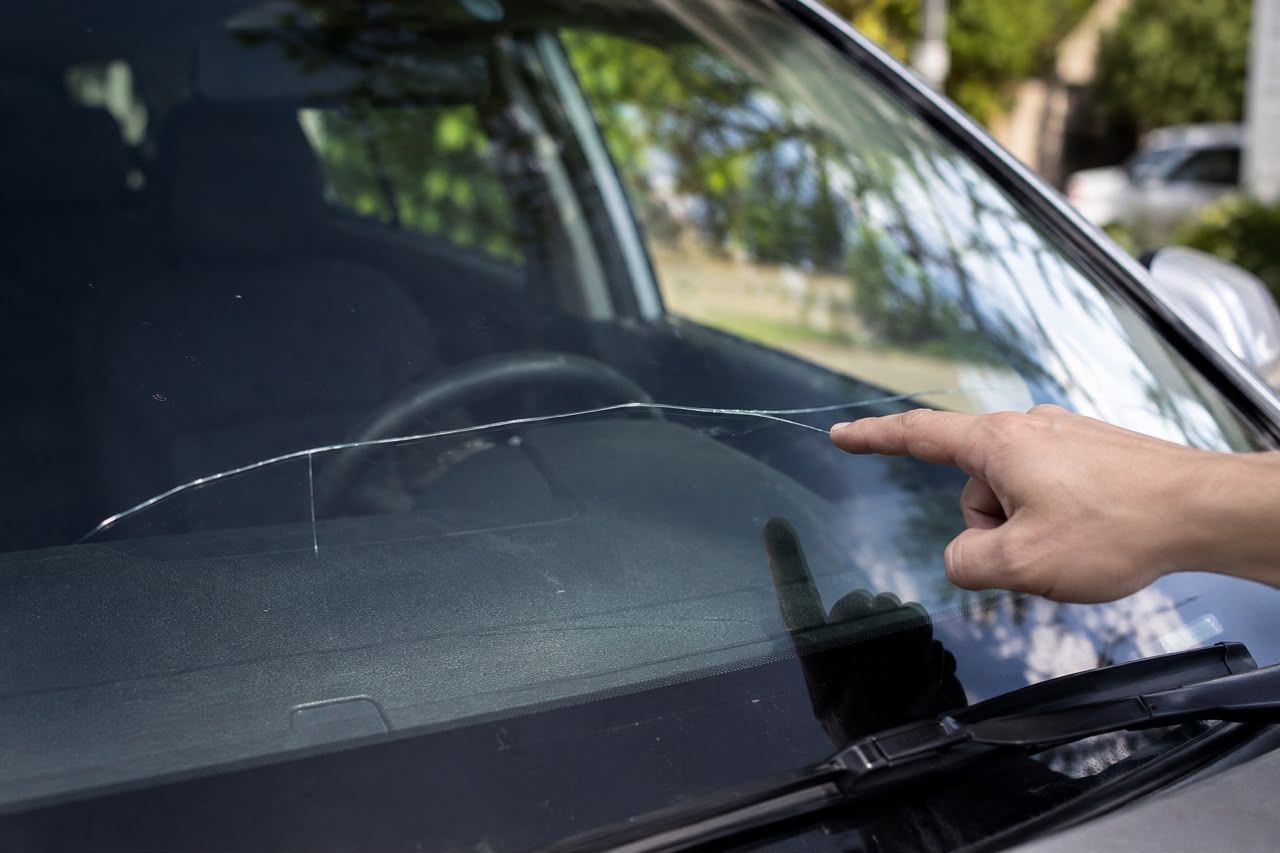
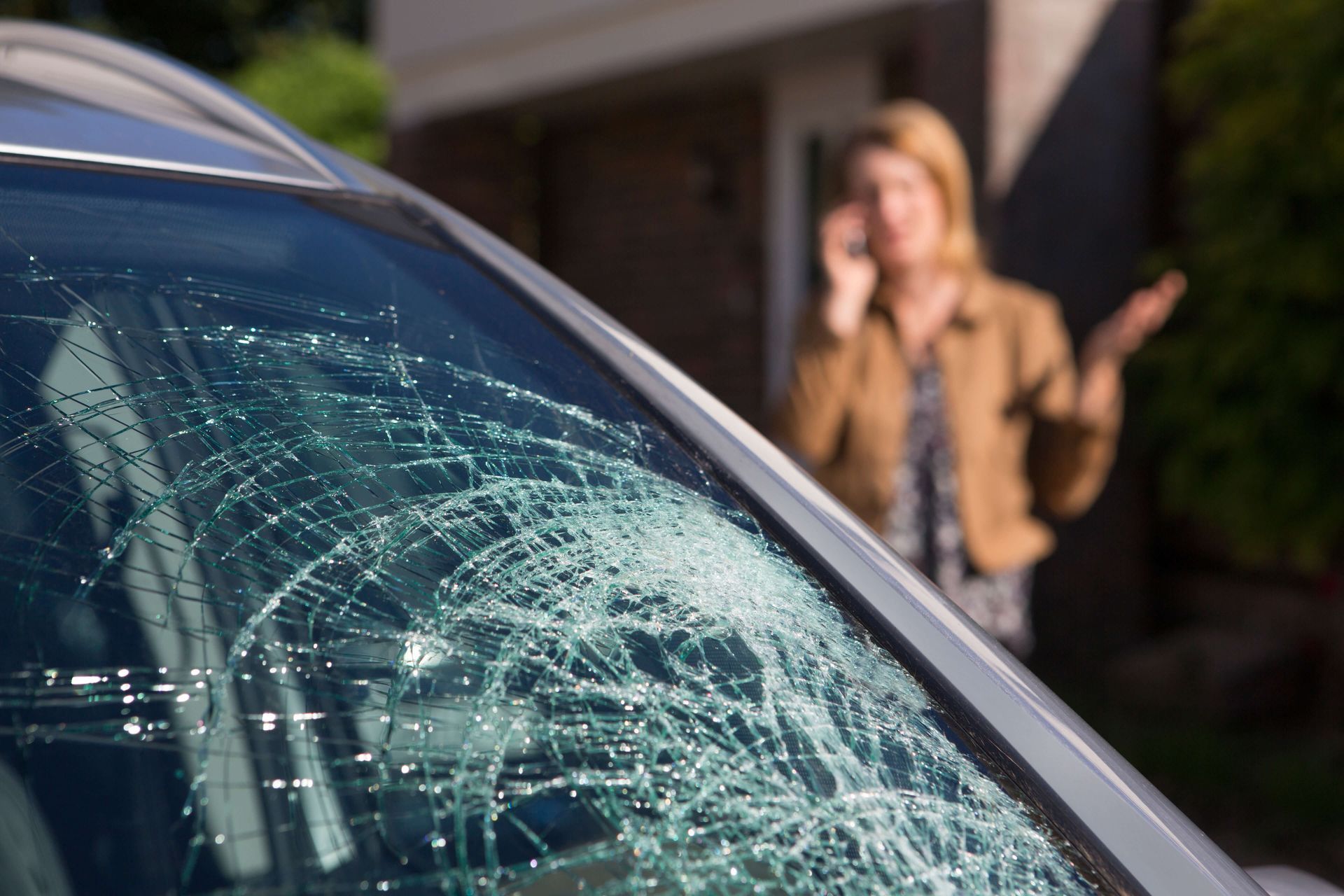
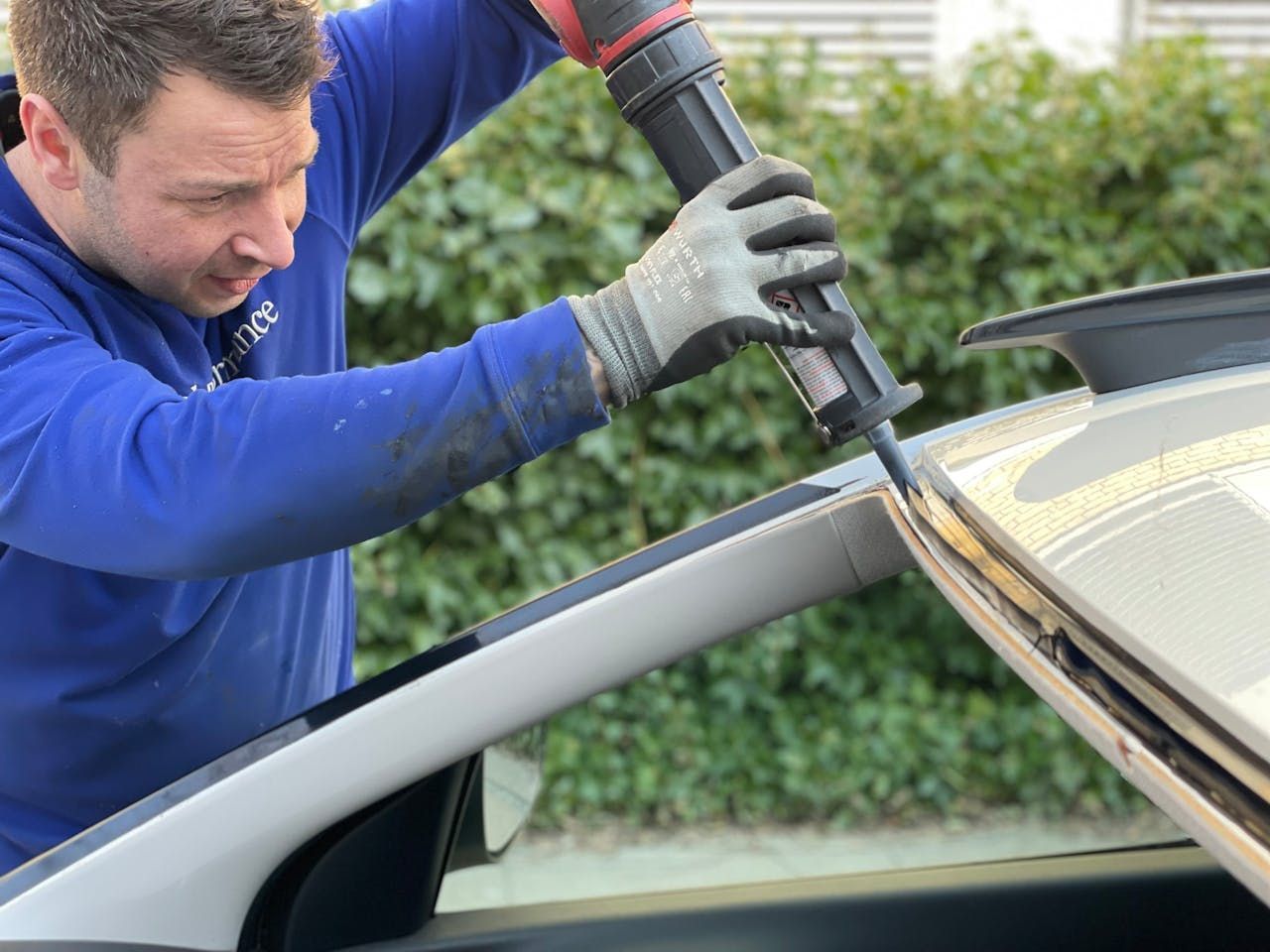

Brisbane Windscreens is the mobile windscreen replacement and repair service provider in Brisbane.
Email us:
Call or text us:
Business Address:
255 Redbank Plains Rd,
Redbank Plains QLD 4301