
Need help? Talk to an expert
0721-393-842

Need help? Talk to an expert
0721-393-842
If you manage a fleet, or you’re an owner-operator, glass damage is rarely a small inconvenience. A cracked windshield can reduce driver confidence and visibility in changing light. At the same time, a shattered side window can quickly become a security and weatherproofing issue, especially when vehicles are parked at depots or worksites overnight.
On top of that, heavy-duty vehicles typically operate longer hours, carry higher loads, and experience more vibration and road debris than passenger cars, which means glass failures can spread faster and cause more downtime if ignored. This guide explains glass services for trucks, vans, and buses in practical terms for fleets, focusing on heavy-duty vehicle glass and
windscreen replacement, the most common safety glass types you’ll encounter, and the real-world rear/side panel options that show up on box trucks and buses.
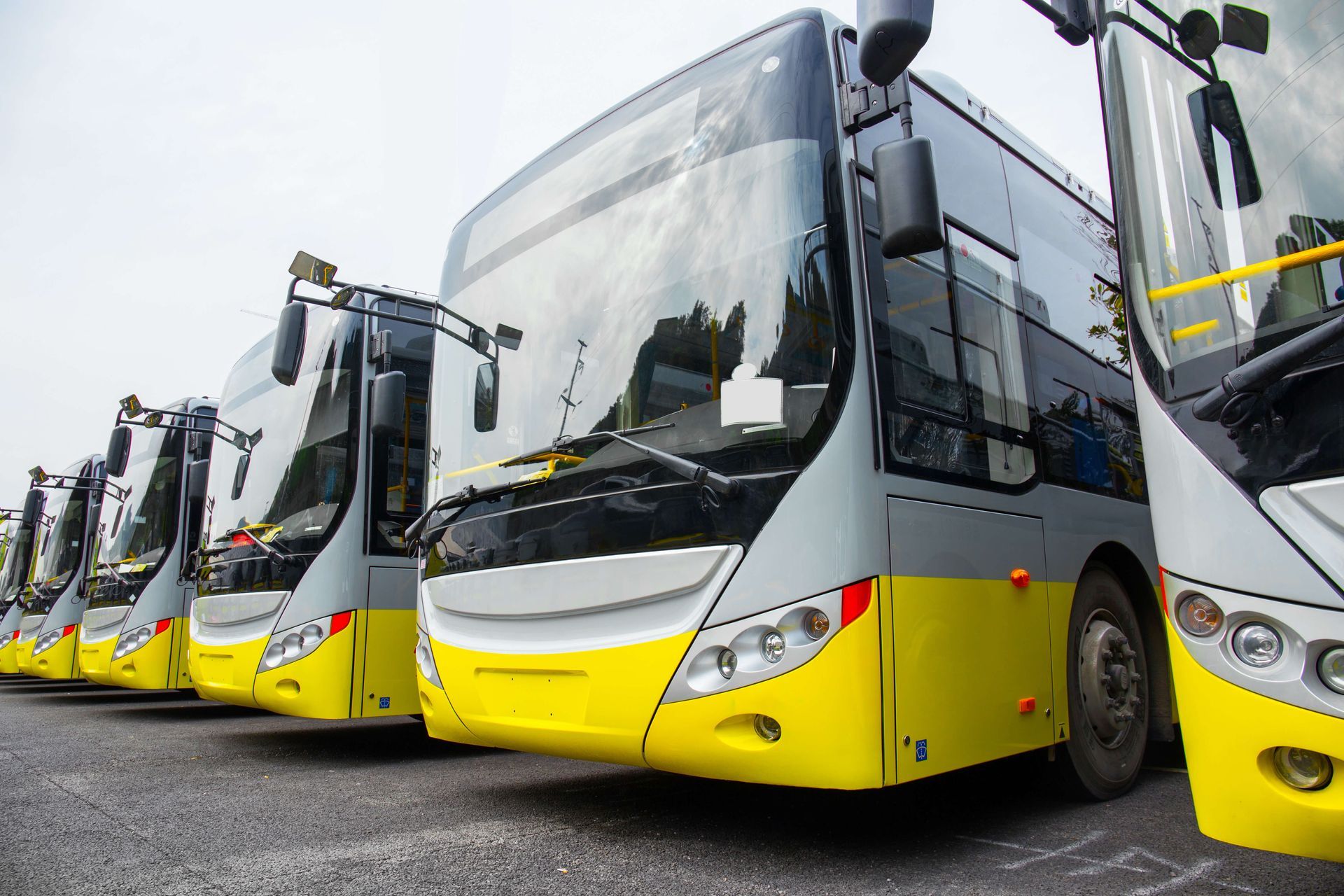
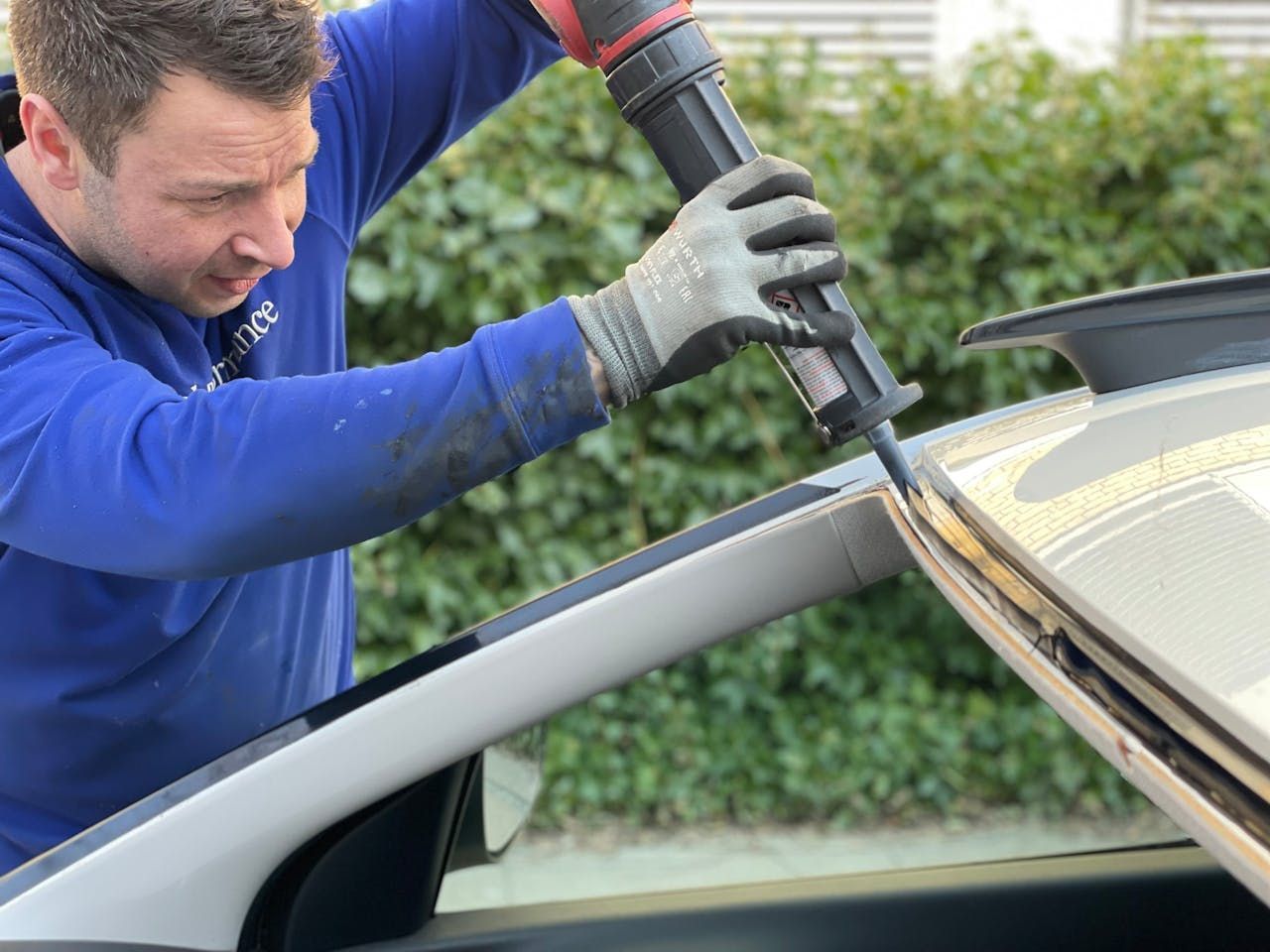
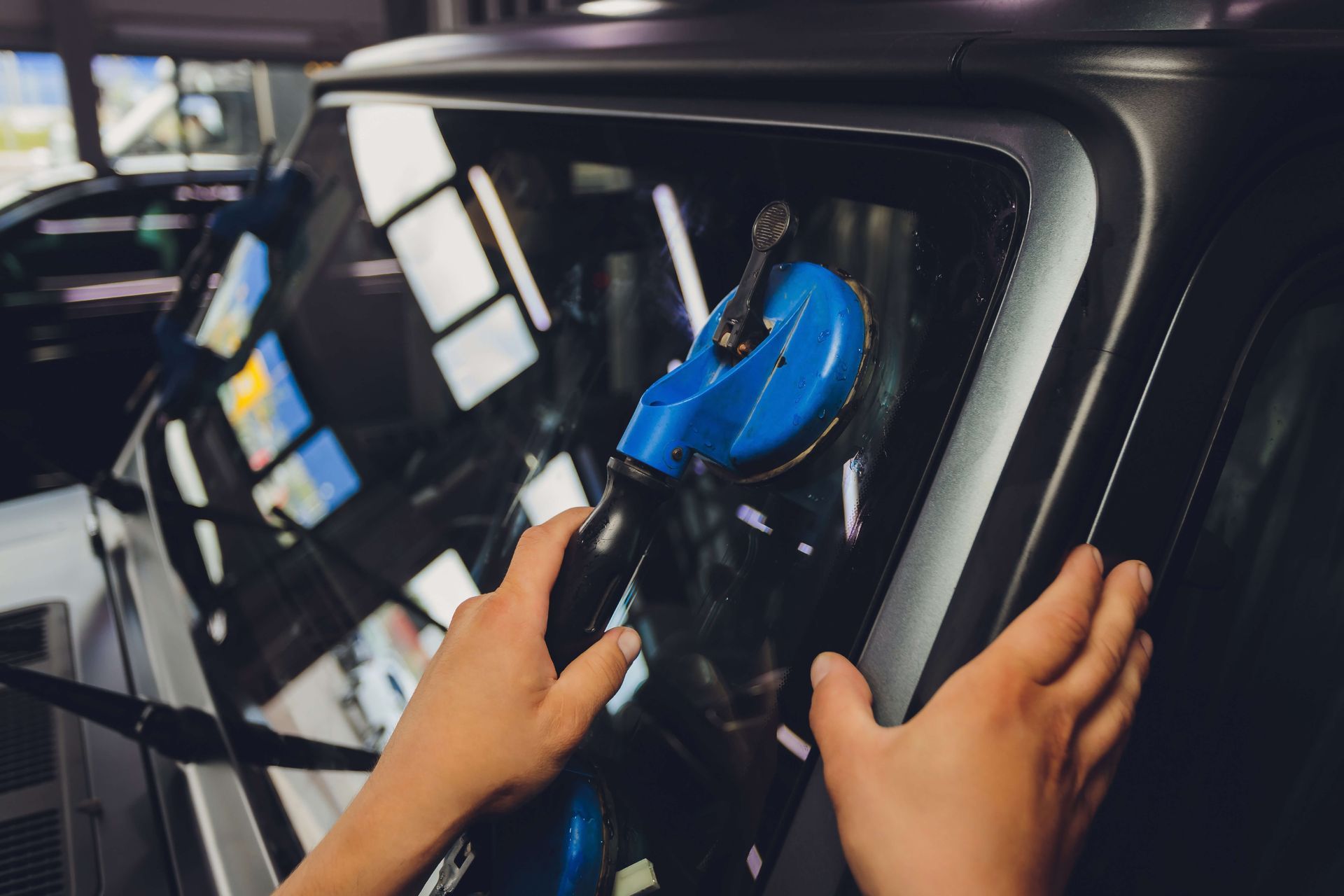
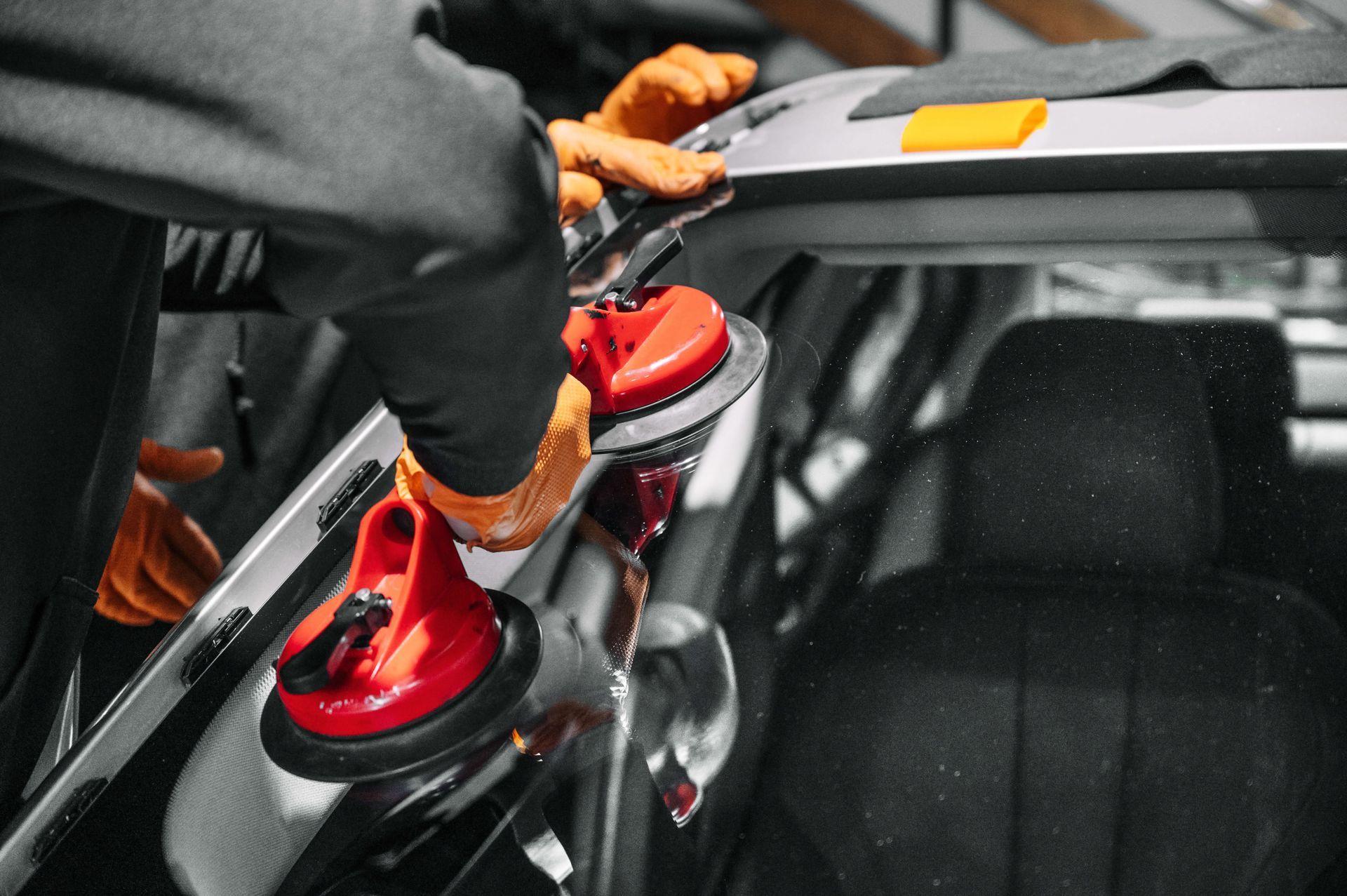
Glass services for commercial vehicles usually cover the full lifecycle of a glazing issue, from assessment to repair (when safe) to complete replacement, plus the finishing steps that prevent repeat problems. In practice, that can mean checking damage patterns, confirming correct glass type and fitment, removing damaged panes safely, and ensuring seals and trims are restored properly so you don’t end up with leaks, wind noise, or loosening over time.
For fleets, the biggest difference compared to private vehicles is that the goal isn’t just to make it look right; it’s returning the unit to safe operation with the correct glass type and specification for that exact opening, because incorrect glazing or poor installation can create recurring failures and unnecessary repeat call-outs.
Most commercial vehicle glazing falls into two primary categories: laminated safety glass and tempered safety glass. You don’t need to be a glass engineer to make good decisions here; what matters is understanding how each type behaves when damaged and why that behavior makes it more suitable for certain positions on the vehicle. If fleets get this wrong, the problems usually show up later as repeat breakage, water intrusion, rattles, or a pane that doesn’t perform the way it’s supposed to when stressed or impacted.
Laminated glass is built with layers and an interlayer between them, so when the glass breaks, it typically stays together instead of collapsing into loose fragments. That “stays together” behavior is a major reason laminated glass is commonly associated with windshields: it helps maintain a barrier, can reduce the chance of the opening becoming fully exposed immediately, and can support more controlled failure behavior compared with a pane that shatters completely. In fleet terms, laminated windshield replacements are often about restoring clear visibility, ensuring proper sealing, and avoiding stress points that can cause cracks to reappear.
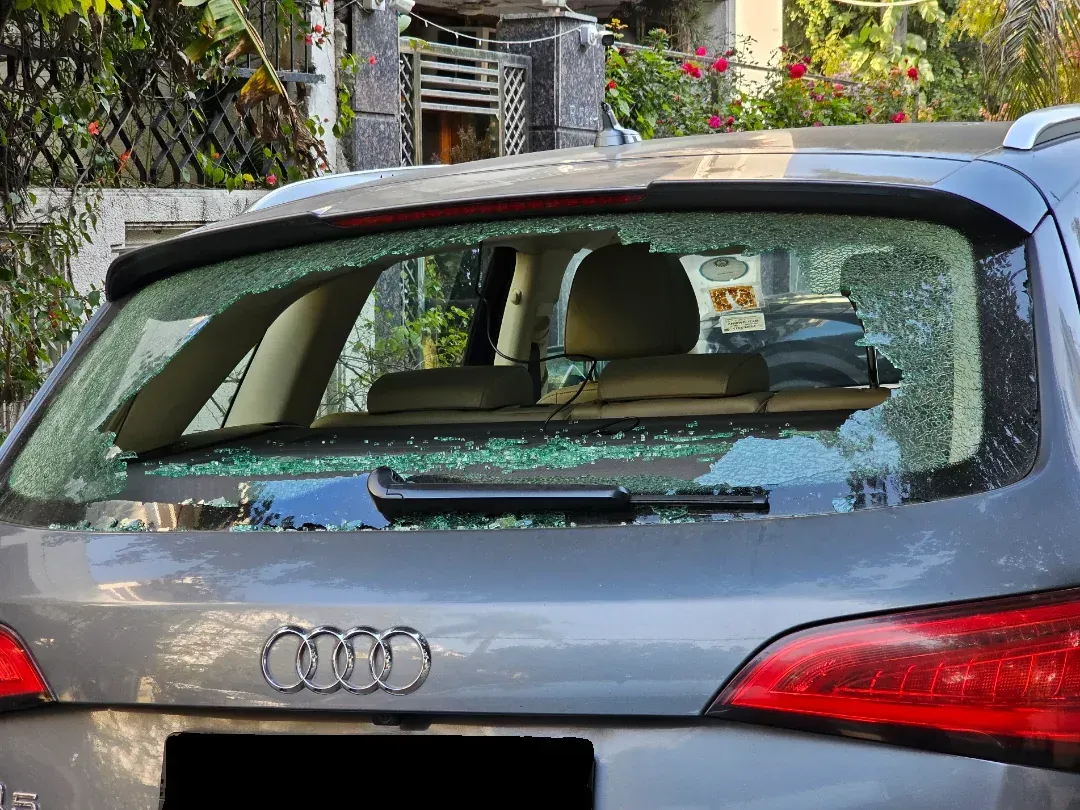
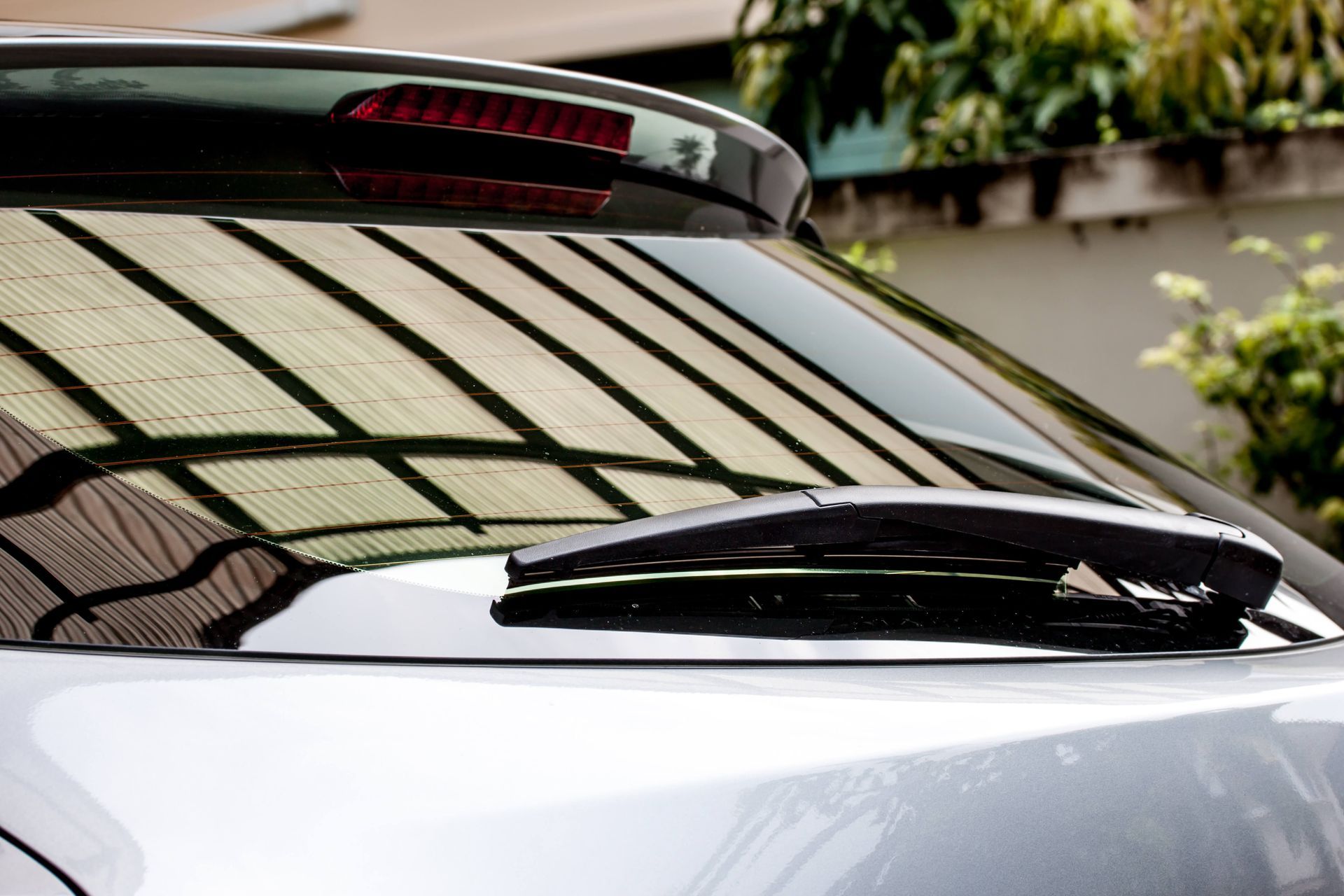
Tempered glass is strengthened through heat treatment, and its typical failure mode is shattering into many small pieces rather than breaking into large, sharp shards. This break pattern is one reason tempered glass is widely used for many side and rear window applications, including tempered glass for truck side windows on many vehicles. For fleets, the practical implication is that tempered side/rear glass often goes from “fine” to “fully gone” in one incident, so replacement tends to be the standard response after a break, with extra focus on correct fitment and sealing to prevent rattles and leaks over the vehicle’s next thousands of kilometers.
In day-to-day operations, truck glass replacement services most often involve windshields and door glass. Windshields take the brunt of highway debris, and small damage can expand under vibration and temperature changes, especially if cracks reach edges or the driver’s viewing area becomes compromised.
Door glass commonly breaks from yard incidents, accidental impacts, or security-related damage. In some truck configurations, quarter glass or rear sliders also become routine replacement items, and those assemblies often require extra attention to alignment and sealing because small install issues can become loud wind noise or persistent leaks during long-distance routes.
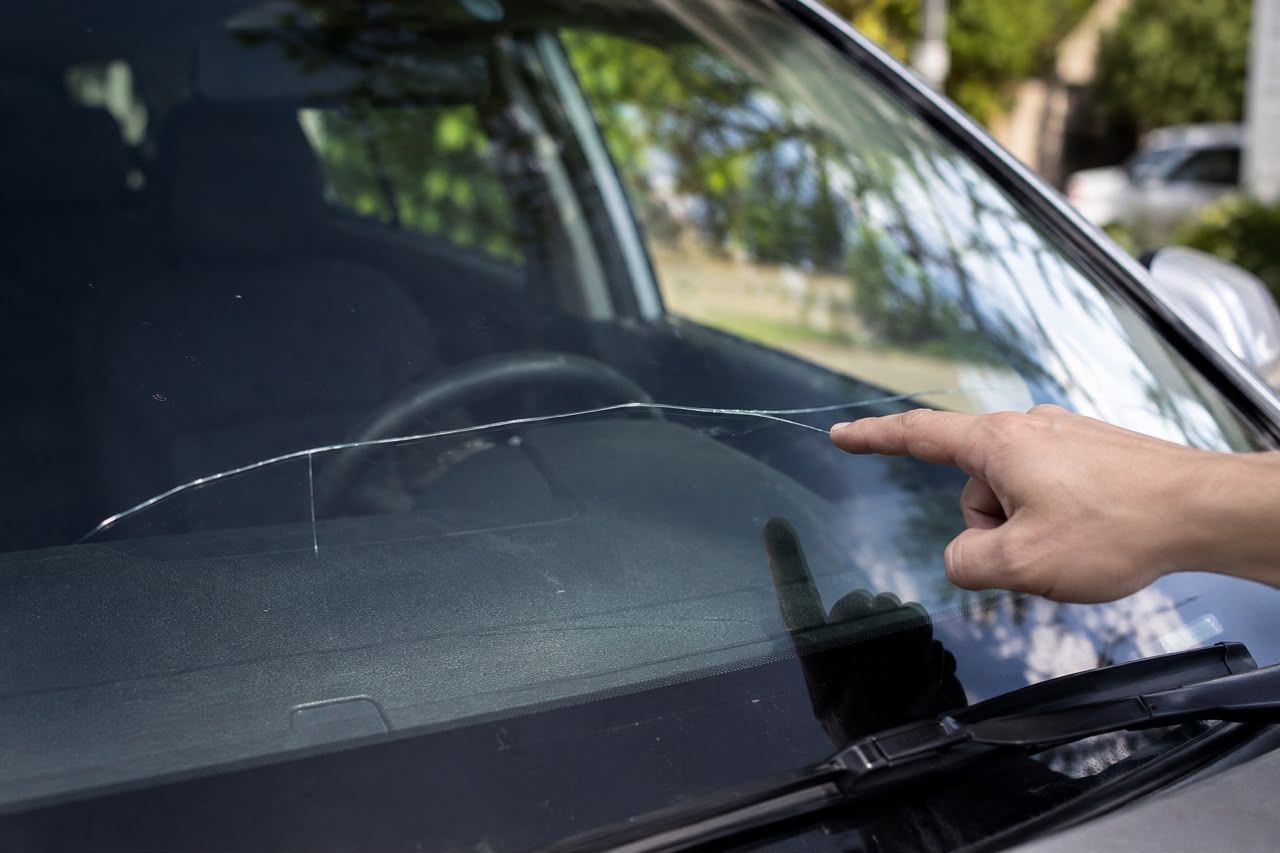
Repair can be appropriate in limited cases, but replacement is often the more reliable fleet decision when cracks are spreading, damage is near edges, visibility is affected, or side/rear tempered glass has shattered. Heavy-duty vehicles experience constant vibration and long duty cycles, so that borderline damage can become a full failure quickly. From a fleet perspective, the best policy is usually a consistent standard: define what counts as repairable versus replaceable, apply it uniformly, and document it so scheduling decisions don’t stall when a unit needs to get back on the road.
For heavy-duty vehicle glass replacement, the best outcomes usually come from choosing the correct glass type for the correct location, matching specification and fitment, and ensuring sealing and finishing are done properly to prevent leaks and rattles. Contact us for box trucks and buses; rear and side panel glass decisions should be guided by operational reality, visibility needs, security concerns, durability, and how much complexity you’re willing to maintain over time. And once you’ve standardised how you handle glazing across your fleet, replacements become faster, cleaner, and far less disruptive.
Is tempered glass used for truck side windows?
Often, yes. Many truck side windows are tempered because of how tempered glass breaks into small pieces, but the exact spec depends on the vehicle and window position—so fleets should replace like-for-like based on the original glazing.
What’s the difference between laminated and tempered glass?
Laminated glass is layered and tends to stay together when damaged, while tempered glass is heat-treated and typically shatters into small fragments. That difference is why windshields are commonly laminated, and side/rear windows are often tempered.
Can commercial vehicle glass be repaired instead of replaced?
Sometimes. Small chips may be repairable in certain windshields if they haven’t spread and don’t affect visibility. Cracks, edge damage, distorted viewing areas, and shattered tempered glass usually mean replacement is the safer option.
How do I know I’m getting the correct replacement glass for a fleet vehicle?
The safest approach is matching the original glass type and specification for that opening, including any identifying markings on the old pane. This helps avoid fitment issues, leaks, and repeat failures.
What’s included in fleet vehicle glass services?
Fleet services usually include inspection, repair or replacement, proper sealing, and scheduling support to reduce downtime. Many fleets also prefer consistent documentation by vehicle type so future replacements are quicker.
What are the most common glass replacement jobs for trucks, vans, and buses?
For trucks: windshields and door glass. For vans: fixed side panels and door glass, depending on the build. For buses: side windows, rear windows, and special attention items like emergency exit windows.
If your truck, van, or fleet vehicle has features like lane assist, forward collision warning, or automatic emergency braking, calibration may be required after certain windscreen replacements or camera/sensor-related glass work. Getting it done correctly helps restore system accuracy and supports safer driving outcomes.
Contact Brisbane Windscreens to book a professional ADAS calibration service or to confirm whether your vehicle needs calibration after glass repair or replacement.
Let's connect! We’re here to help.
Send us a message and we’ll be in touch.
Or give us a call today at 0721-393-842



Brisbane Windscreens is the mobile windscreen replacement and repair service provider in Brisbane.
Email us:
Call or text us:
Business Address:
255 Redbank Plains Rd,
Redbank Plains QLD 4301