
Need help? Talk to an expert
0721-393-842

Need help? Talk to an expert
0721-393-842
Brisbane's subtropical climate creates unique challenges for automotive components, with consistently high humidity levels affecting materials throughout your vehicle. Auto glass seals, the rubber or polyurethane barriers between windscreens and vehicle frames, face particularly harsh conditions in Brisbane's moist environment. These seals protect your vehicle's interior from water intrusion, provide structural support, and contribute to overall safety performance. Understanding how Brisbane's humidity degrades auto glass seals helps you recognize problems early and implement preventive measures that extend seal life and prevent expensive water damage to your vehicle's interior.
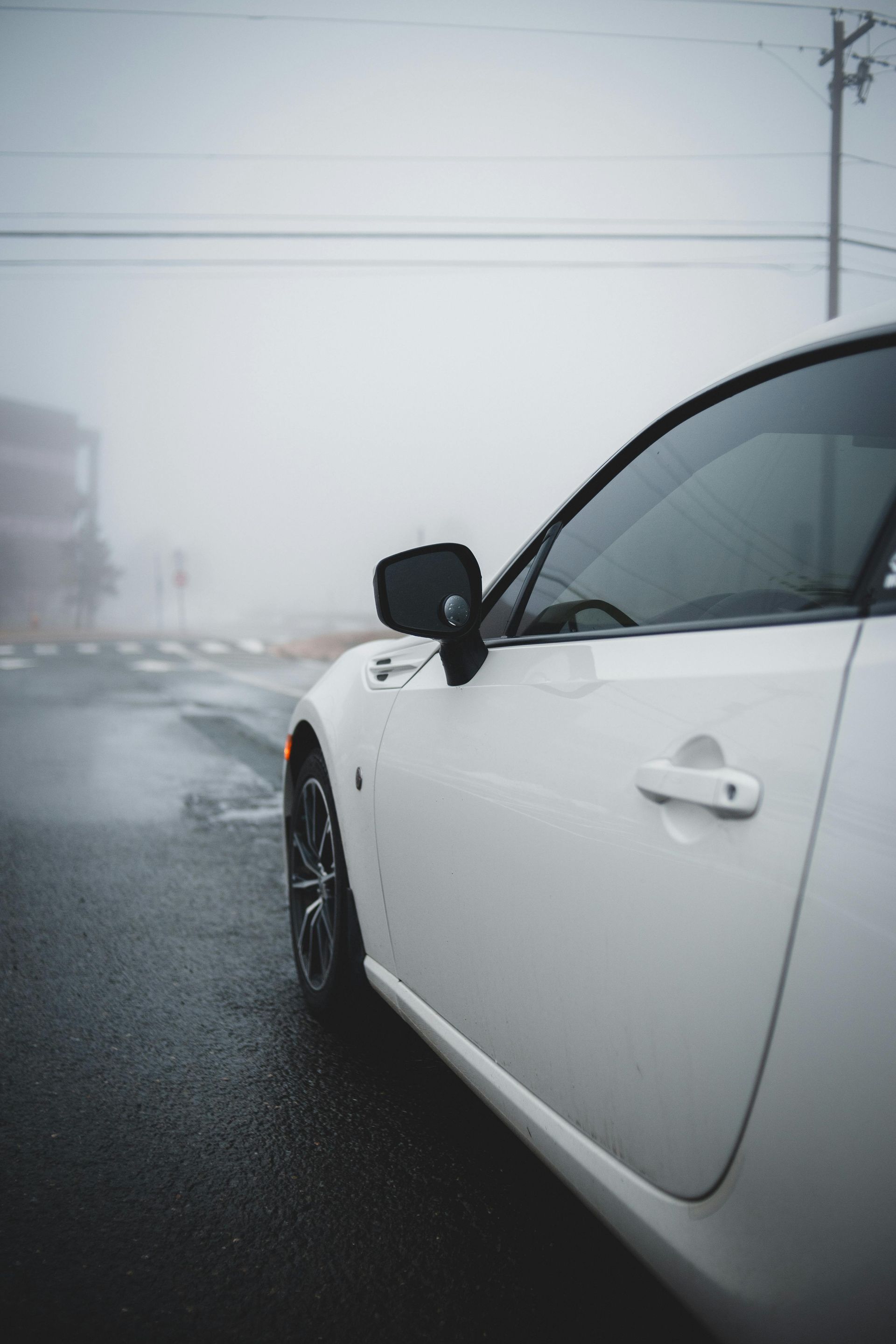
Brisbane's subtropical climate creates specific environmental conditions that distinguish it from temperate southern Australian cities. Understanding these climate patterns helps explain why auto glass seals deteriorate differently here than in drier or cooler regions.
Humidity levels remain elevated throughout the year in Brisbane. Relative humidity typically ranges from 60 to 80 percent, with higher levels during the summer months and the wet season from November through March. Morning humidity often exceeds 80 percent even during drier months, as overnight cooling causes moisture condensation. This persistent high humidity means auto glass seals rarely experience extended dry periods that would allow complete moisture evaporation from seal materials. The constant moisture exposure accelerates degradation processes that progress more slowly in drier climates.
Temperature patterns compound humidity effects through thermal cycling. Brisbane experiences warm to hot temperatures year-round, with summer maximums regularly exceeding 30 degrees Celsius and occasionally reaching 35 to 40 degrees. Winter temperatures remain mild, rarely dropping below 10 degrees overnight. These elevated temperatures accelerate chemical degradation processes in seal materials. The daily temperature range of 10 to 15 degrees creates expansion and contraction cycles in both glass and seal materials, generating mechanical stresses that complement chemical deterioration from humidity exposure.
Rainfall intensity during storms creates severe water intrusion testing. Brisbane's subtropical storms deliver intense rainfall, sometimes exceeding 100 millimetres in short periods. These downpours test auto glass seal integrity far more severely than gentle rain common in temperate regions. Water cascading across windscreens and pooling around seal edges finds any weakness in seal adhesion or material integrity. Vehicles with marginally degraded seals that might remain watertight in lighter rain experience leaks during Brisbane's intense storms.
Coastal proximity for much of Brisbane adds salt exposure. Areas near Moreton Bay and the Brisbane River experience salt-laden air that deposits on vehicles. Salt attracts and retains moisture, keeping seal materials damp even when ambient humidity drops. Salt also has corrosive properties that degrade both seal materials and the metal surfaces they attach to. This coastal influence extends several kilometres inland, affecting a substantial portion of Brisbane's vehicle population beyond just waterfront suburbs.
Seasonal variation, while less extreme than in Southern cities, still creates challenging conditions. The wet season's combination of high humidity, frequent rain, and elevated temperatures creates maximum stress on auto glass seals. The drier winter months provide some relief but still maintain humidity levels that prevent complete seal drying. This seasonal pattern means seals undergo cycles of extreme stress followed by moderate stress, never experiencing the extended dry periods that would allow recovery and stress relief.
Auto glass seals use rubber compounds or polyurethane materials designed to remain flexible while providing water barriers and structural adhesion. Brisbane's humidity attacks these materials through multiple mechanisms that progressively destroy their properties and performance.
Moisture absorption causes seal materials to swell. Both rubber and polyurethane absorb water molecules from humid air, increasing their volume and altering their physical properties. This swelling stresses the molecular structure of seal materials, creating internal pressures that weaken bonds between polymer chains. As materials swell and contract through humidity cycles, this repeated stress causes progressive deterioration. The swelling also affects dimensional stability, meaning seals no longer fit precisely in their designed positions, creating gaps where water can infiltrate.
Hydrolysis breaks down polymer chains in seal materials. Polyurethane seals are particularly vulnerable to hydrolytic degradation, where water molecules chemically react with polymer bonds, breaking them into shorter chains. This process reduces the molecular weight of the polymer, destroying its strength and flexibility. As hydrolysis progresses, seals become brittle and crack rather than flexing as designed. Elevated temperatures accelerate hydrolysis dramatically, making Brisbane's warm, humid climate particularly destructive to polyurethane seals compared to cooler or drier environments.
Microbial growth colonizes damp seal surfaces. Mold and mildew thrive in the warm, humid conditions Brisbane provides, readily establishing on auto glass seals that remain damp. These microorganisms are not merely aesthetic problems. Many fungi produce enzymes that break down organic materials, including rubber compounds and polyurethane polymers. Microbial colonization actively digests seal materials, creating surface pitting and progressive deterioration that weakens seals and provides pathways for water intrusion. The black staining often visible on degraded seals indicates extensive fungal growth that has damaged material integrity.
Plasticizer migration removes flexibility from seal compounds. Seal manufacturers add plasticizers to rubber and polyurethane to maintain flexibility over temperature ranges. Moisture exposure causes these plasticizers to gradually leach from seal materials, particularly at elevated temperatures. As plasticizers migrate out, seals become progressively harder and less flexible. This hardening reduces the seal's ability to accommodate thermal expansion, vehicle vibration, and the slight movements between glass and frame that occur during normal driving. Hardened seals crack rather than flexing, creating leak pathways.
Oxidation accelerated by moisture attacks seal chemistry. While oxidation occurs in any environment with oxygen exposure, moisture presence accelerates the oxidative degradation of seal materials. The combination of oxygen, water, and elevated temperatures creates conditions for rapid chemical deterioration of polymer materials. Oxidation causes discoloration, surface chalking, and brittleness in seals. You can often observe oxidation damage as color changes, where black seals become gray or chalky white, indicating advanced degradation that has destroyed surface material.
Identifying seal deterioration before complete failure allows you to address problems proactively, preventing water damage to vehicle interiors and avoiding the inconvenience of unexpected leaks. Understanding what signs indicate seal problems helps you monitor your vehicle's condition.
Auto glass seal deterioration does not occur uniformly across all seal areas. Certain locations experience more severe stress and deteriorate faster, particularly in Brisbane's climate. Understanding these vulnerable areas helps you focus inspection efforts and recognise where problems are most likely.
Lower windscreen seals experience maximum moisture exposure. Water cascading down windscreens during rain collects along the bottom edge, where lower seals must prevent entry into the cowl area and cabin. This area remains wet longer after rain stops, providing extended moisture exposure that accelerates deterioration. Lower seals also collect dirt, leaves, and debris that trap moisture against seal materials. The combination of extended wetness, contamination, and stress from pooling water makes lower windscreen seals the most common failure point in Brisbane vehicles.
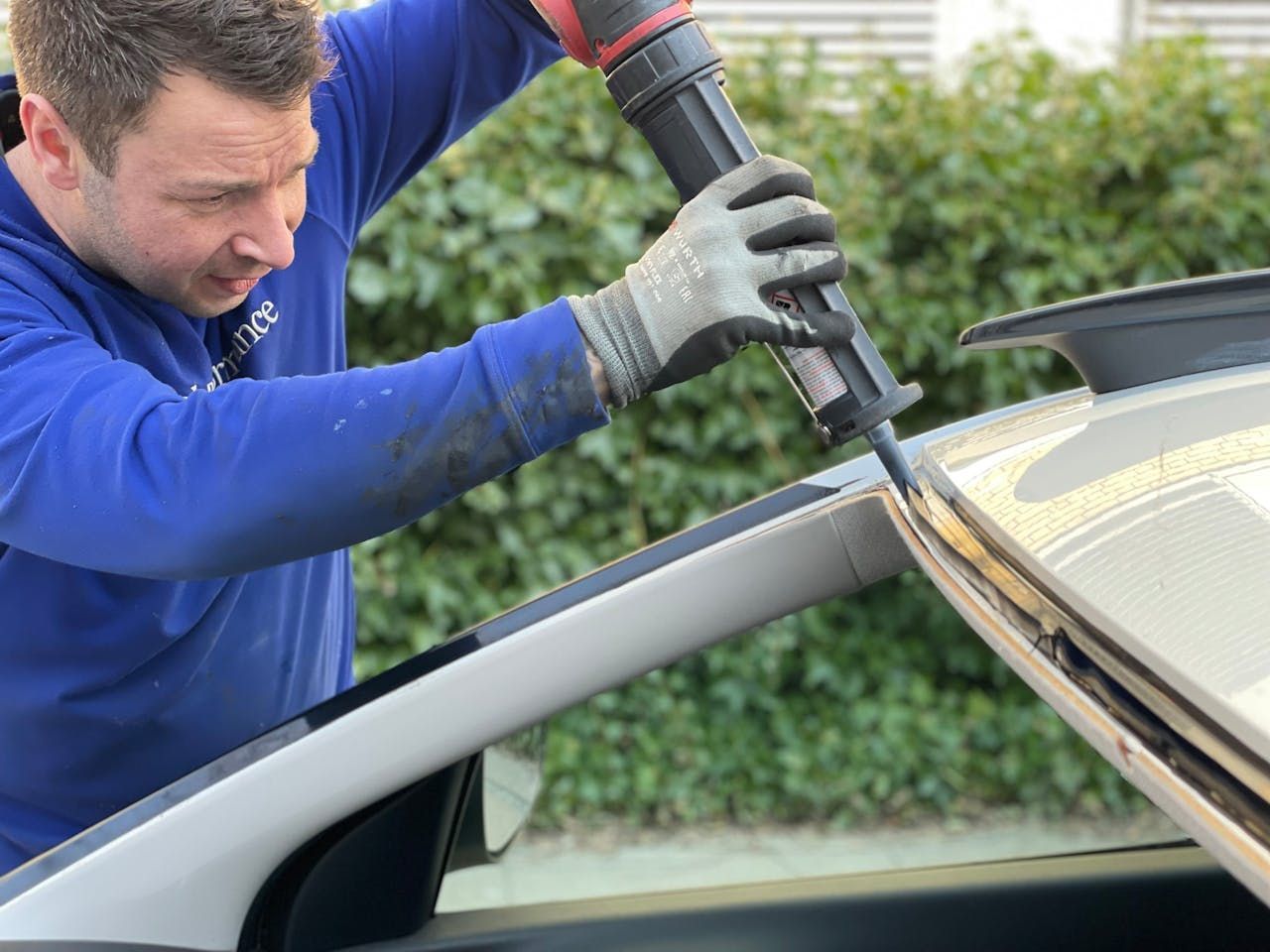
Windscreen corners concentrate stress. The curved corners where windscreens meet A-pillars experience complex stress patterns from thermal expansion, vehicle flex, and seal installation tension. These stresses accelerate material fatigue and crack formation. Corners also tend to accumulate moisture and debris, compounding deterioration. Inspect windscreen corners carefully, as cracks and separation often appear here first before spreading along seal lengths.
Door window seals face repeated mechanical stress. Every time you open windows, seals flex and slide against glass surfaces. This mechanical action, combined with Brisbane's humidity, accelerates wear. Lower door seals also collect water that drains down windows when closed after rain. The combination of mechanical stress and moisture exposure causes door seals to deteriorate faster than fixed glass seals. Window operation becoming noisy or difficult, or wind noise increasing, often indicates door seal deterioration.
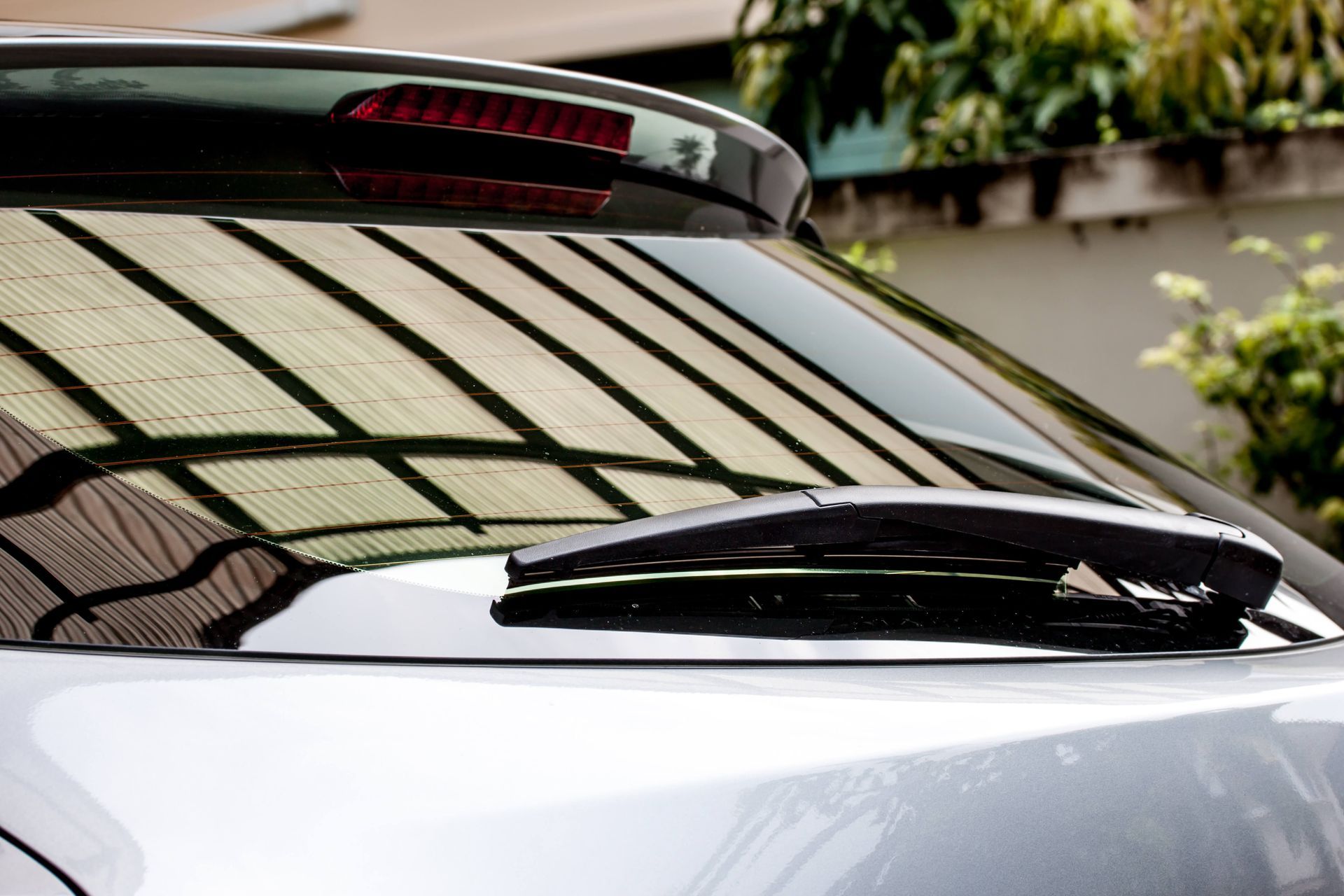
Rear window seals suffer from reduced attention. While front windscreens receive regular inspection and cleaning, rear windows often receive less attention. Deterioration progresses unnoticed until leaks occur. Rear window seals experience similar environmental stresses as windscreens, but may deteriorate further before discovery. Water leaking into trunk areas from failed rear window seals can damage spare tyres, tools, and cargo before being noticed.
Sunroof seals face extreme conditions. Sunroof seals experience direct sunlight exposure, rain impact, and the full range of temperature extremes. They must seal against water while allowing the sunroof to open and close repeatedly. These demanding conditions accelerate deterioration. Sunroof seals deserve particular attention in Brisbane vehicles, as failure can cause substantial interior water damage. Clogged sunroof drains compound seal problems by causing water to back up and overflow into cabins.
While Brisbane's climate creates challenging conditions for auto glass seals, proactive maintenance and protective measures significantly extend seal life and prevent premature failure. Implementing these strategies saves money on seal replacement and prevents interior water damage.
Brisbane's subtropical climate with consistently high humidity levels creates harsh conditions for auto glass seals that accelerate deterioration through moisture absorption, hydrolysis, microbial growth, and chemical degradation. The combination of elevated temperatures and humidity causes seal materials to lose flexibility, crack, separate from glass and frames, and ultimately fail to prevent water intrusion into vehicle interiors. Understanding that lower windscreen edges and corners experience the most severe stress helps Brisbane vehicle owners focus inspection efforts on these vulnerable areas where deterioration typically appears first. Regular visual inspection for discoloration, cracking, hardening, and separation allows early detection of problems before complete seal failure causes interior water damage.
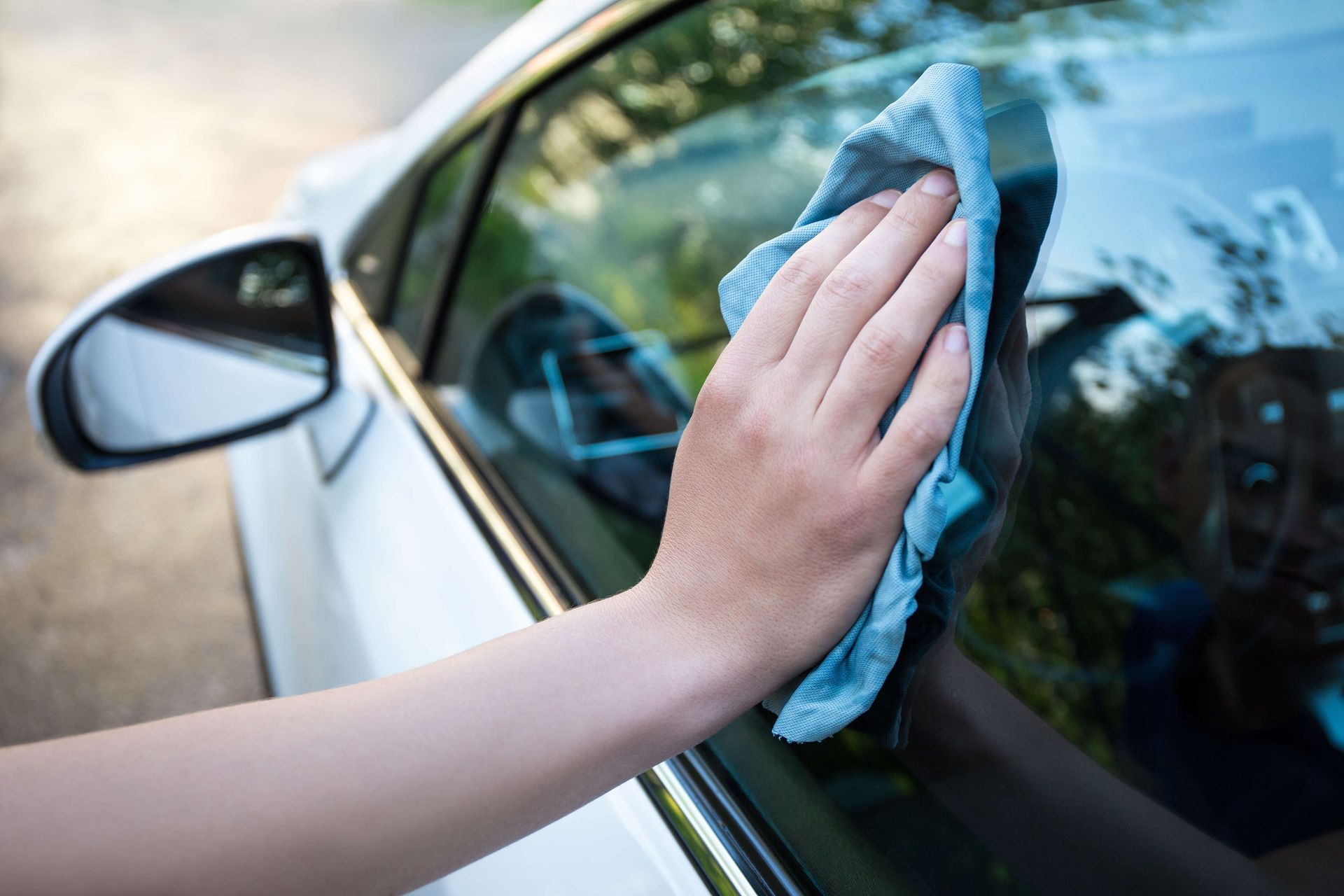
Proactive maintenance, including regular cleaning, seal conditioning treatments, drainage system maintenance, and protective parking, significantly extends seal life in Brisbane's demanding environment. When deterioration progresses to visible cracking, separation, or active water leaks, prompt professional seal replacement prevents the interior water damage that costs thousands of dollars to remediate and dramatically exceeds seal replacement expense. While Brisbane's climate creates challenging conditions that may limit seal life to seven to ten years compared to longer lifespans in temperate regions, implementing protective measures and timely replacement maintains vehicle integrity and prevents the progressive damage that accelerates when seal failures go unaddressed. For Brisbane vehicle owners, understanding humidity's impact on auto glass seals and committing to regular inspection and maintenance represents essential vehicle care that protects both immediate comfort and long-term value.
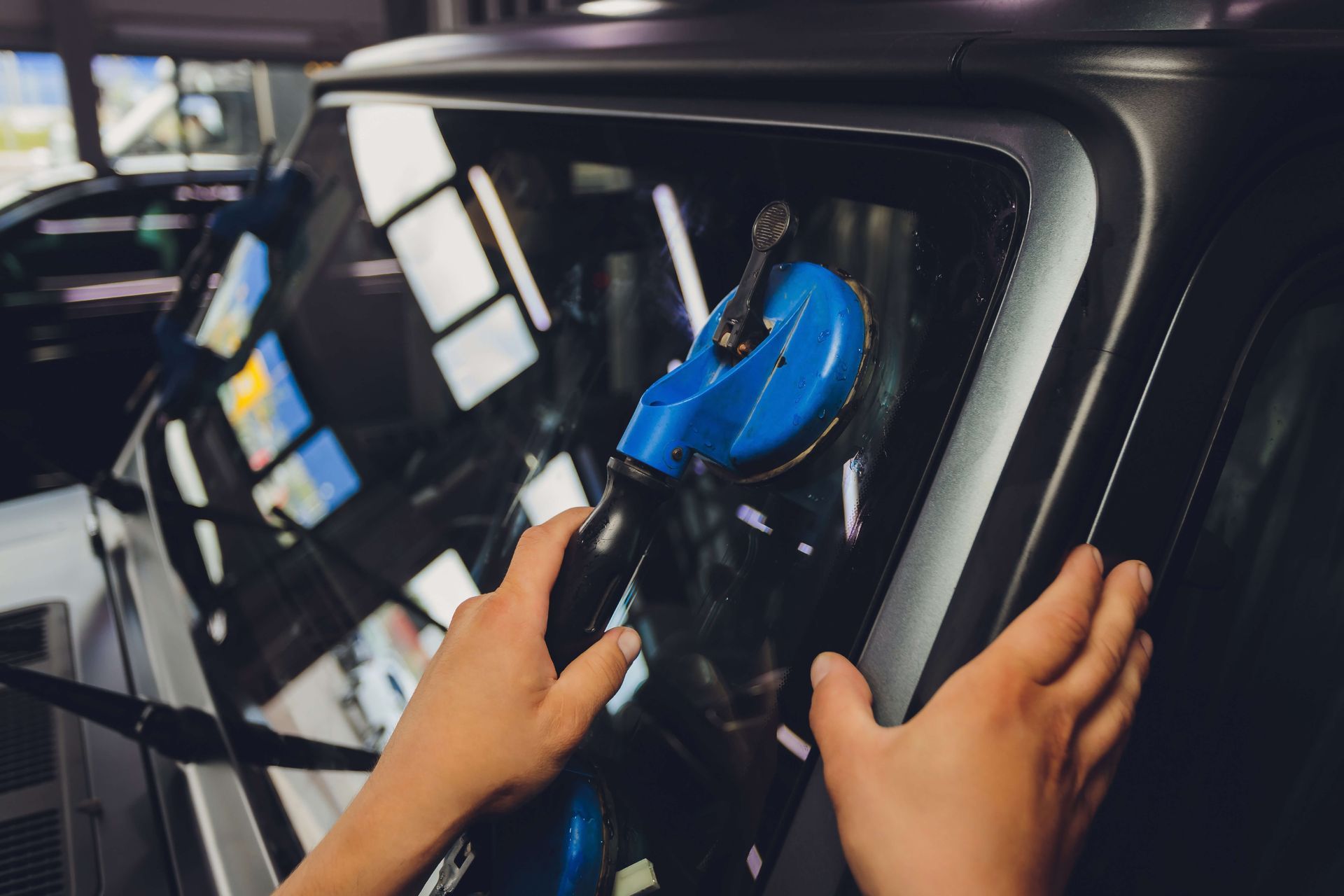
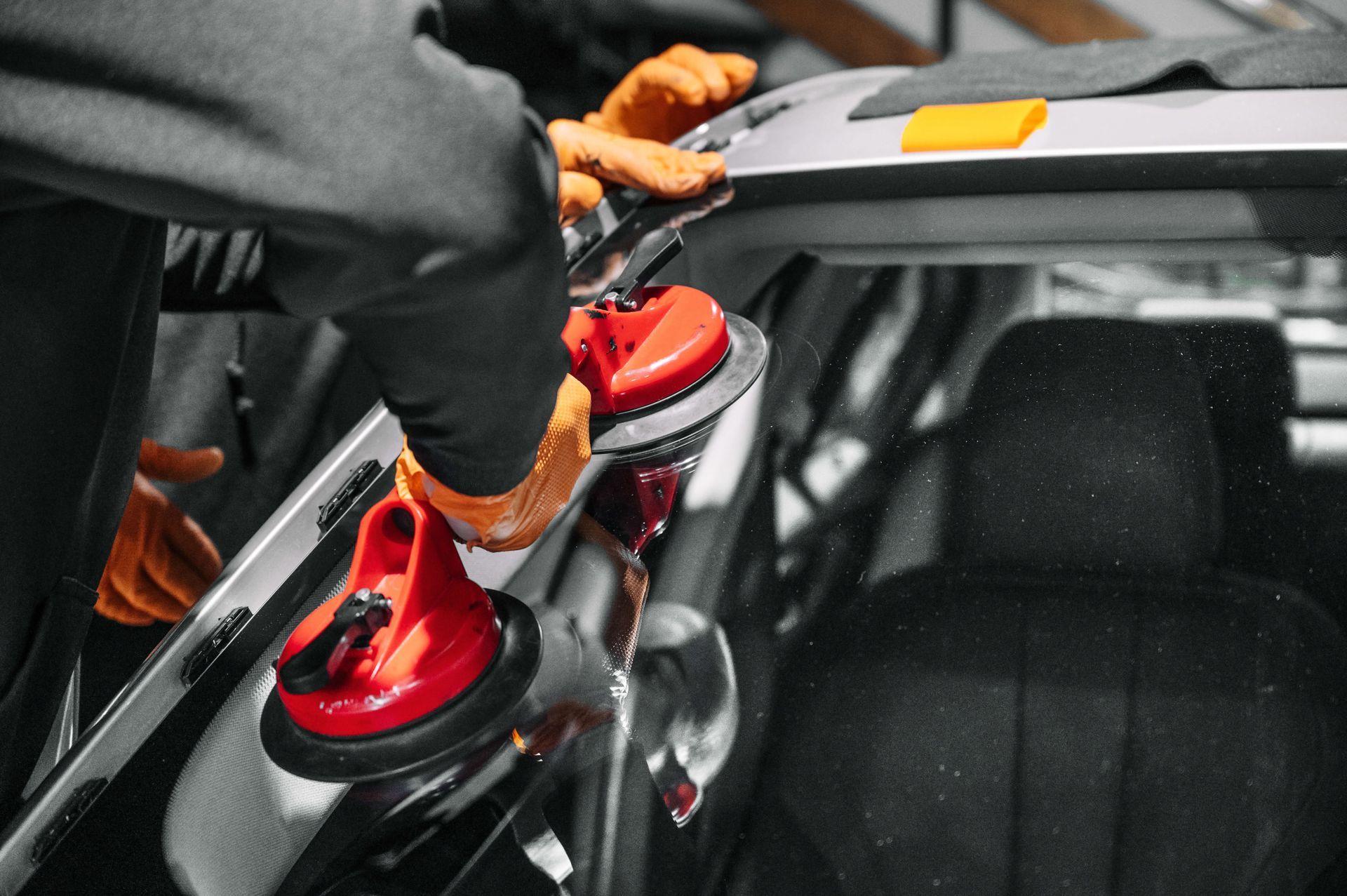
Brisbane Windscreens specializes in comprehensive auto glass services throughout Brisbane and surrounding suburbs, with a deep understanding of how subtropical climate conditions affect vehicle glass and seals. Their experienced technicians provide expert seal inspection, advising when conditioning treatments can extend seal life versus when replacement is necessary to prevent water damage. Using quality seal materials specifically suited to Brisbane's high humidity and temperature conditions, they ensure replacement seals provide maximum longevity in demanding local environments. Brisbane Windscreens offers both mobile services that come to your location and workshop facilities, providing convenient options for seal replacement, windscreen repair and replacement, and complete auto glass care. Their team educates customers about preventive maintenance practices that extend seal life while monitoring vehicle age and condition to recommend timely replacement before deterioration causes interior damage.
Let's connect! We’re here to help.
Send us a message and we’ll be in touch.
Or give us a call today at 0721-393-842
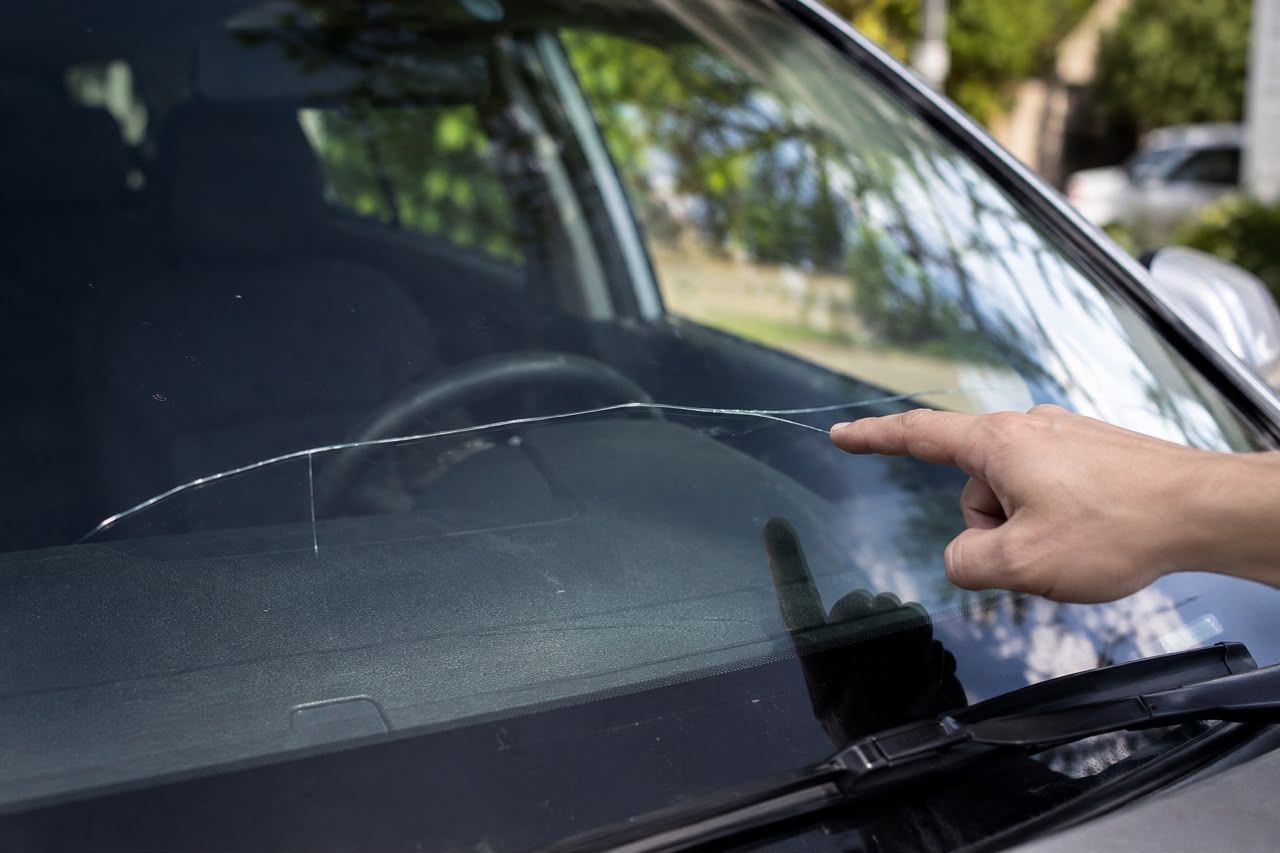
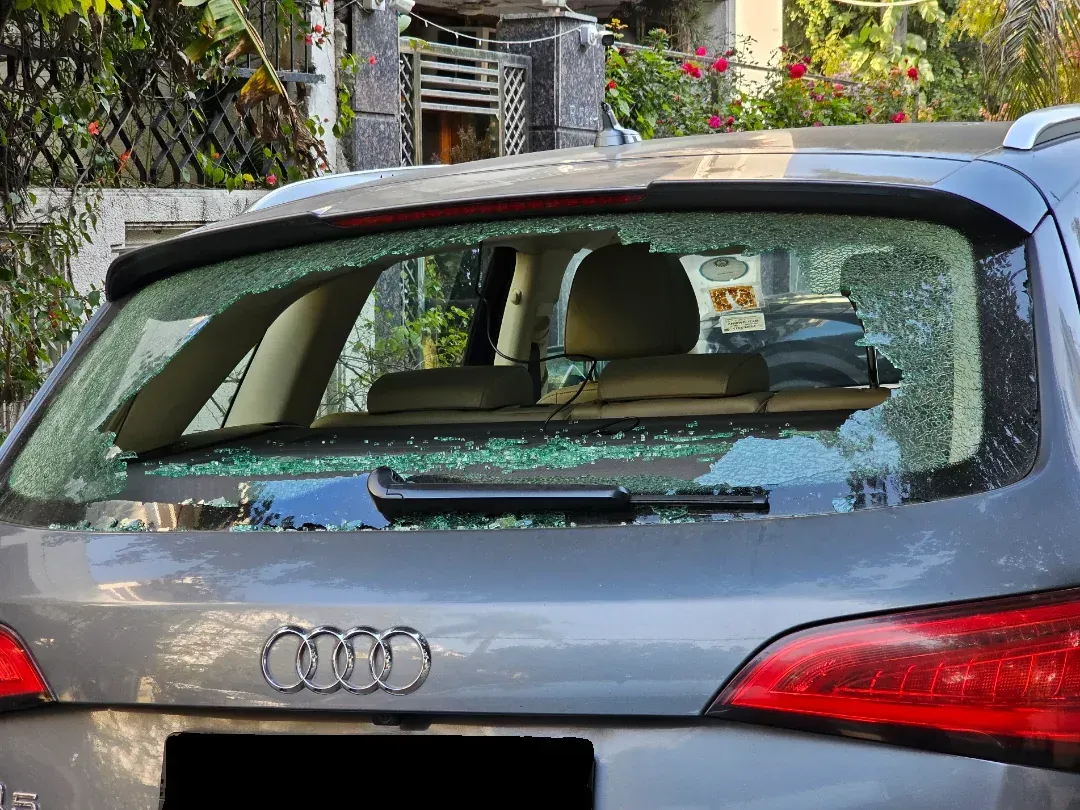
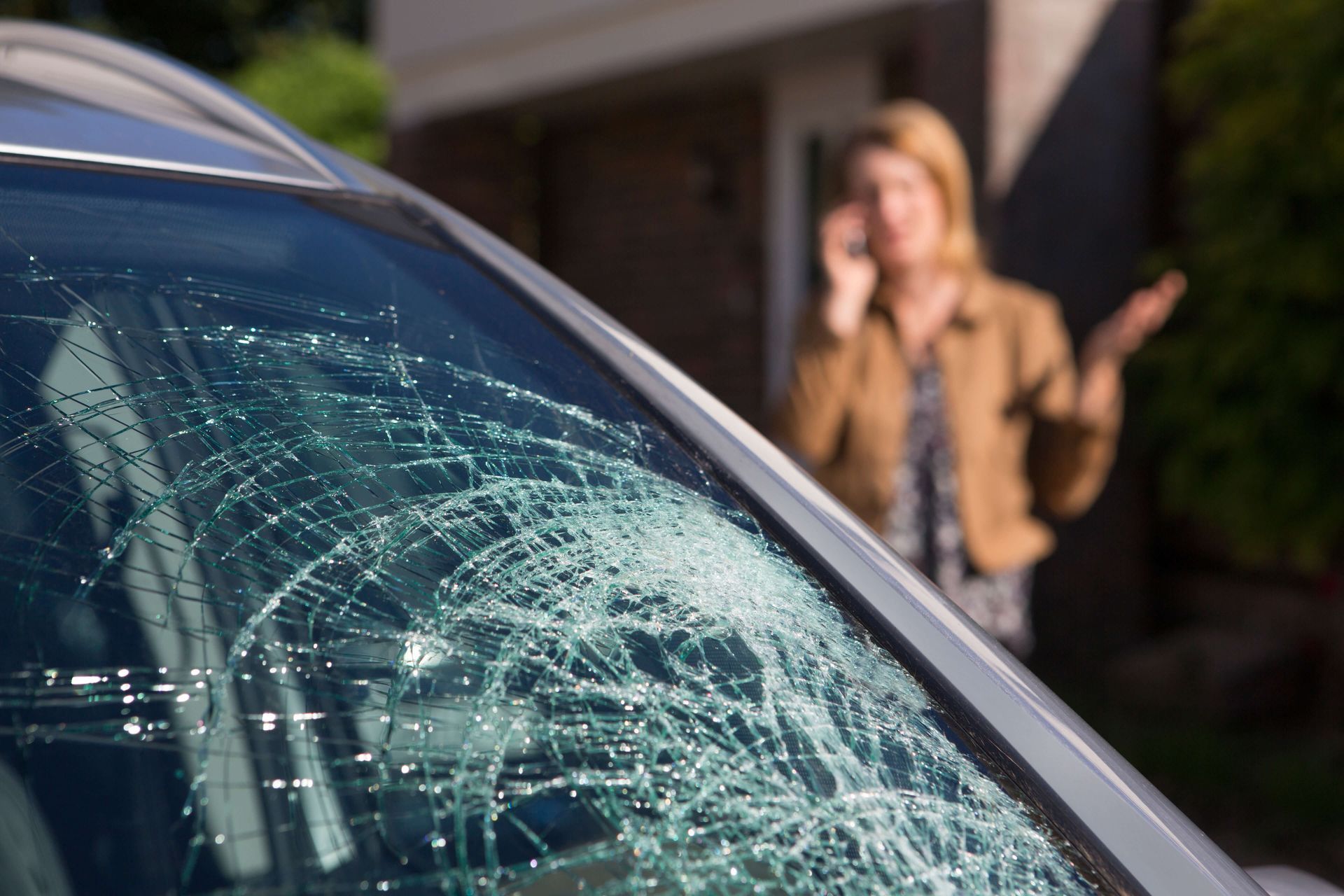
Brisbane Windscreens is the mobile windscreen replacement and repair service provider in Brisbane.
Email us:
Call or text us:
Business Address:
255 Redbank Plains Rd,
Redbank Plains QLD 4301