
Need help? Talk to an expert
0721-393-842

Need help? Talk to an expert
0721-393-842
Modern vehicles rely heavily on Advanced Driver Assistance Systems (ADAS) to keep you safe during daily commutes and highway journeys. Any change to the glass, even when using identical replacement parts, can affect these life-saving safety features in ways you won't immediately notice.
Understanding windscreen calibration becomes essential for every driver who depends on ADAS technology to prevent accidents. This guide explains what calibration actually involves, why manufacturers mandate it after any glass work, the serious risks of skipping this critical step, and how to recognize when your system needs professional attention.
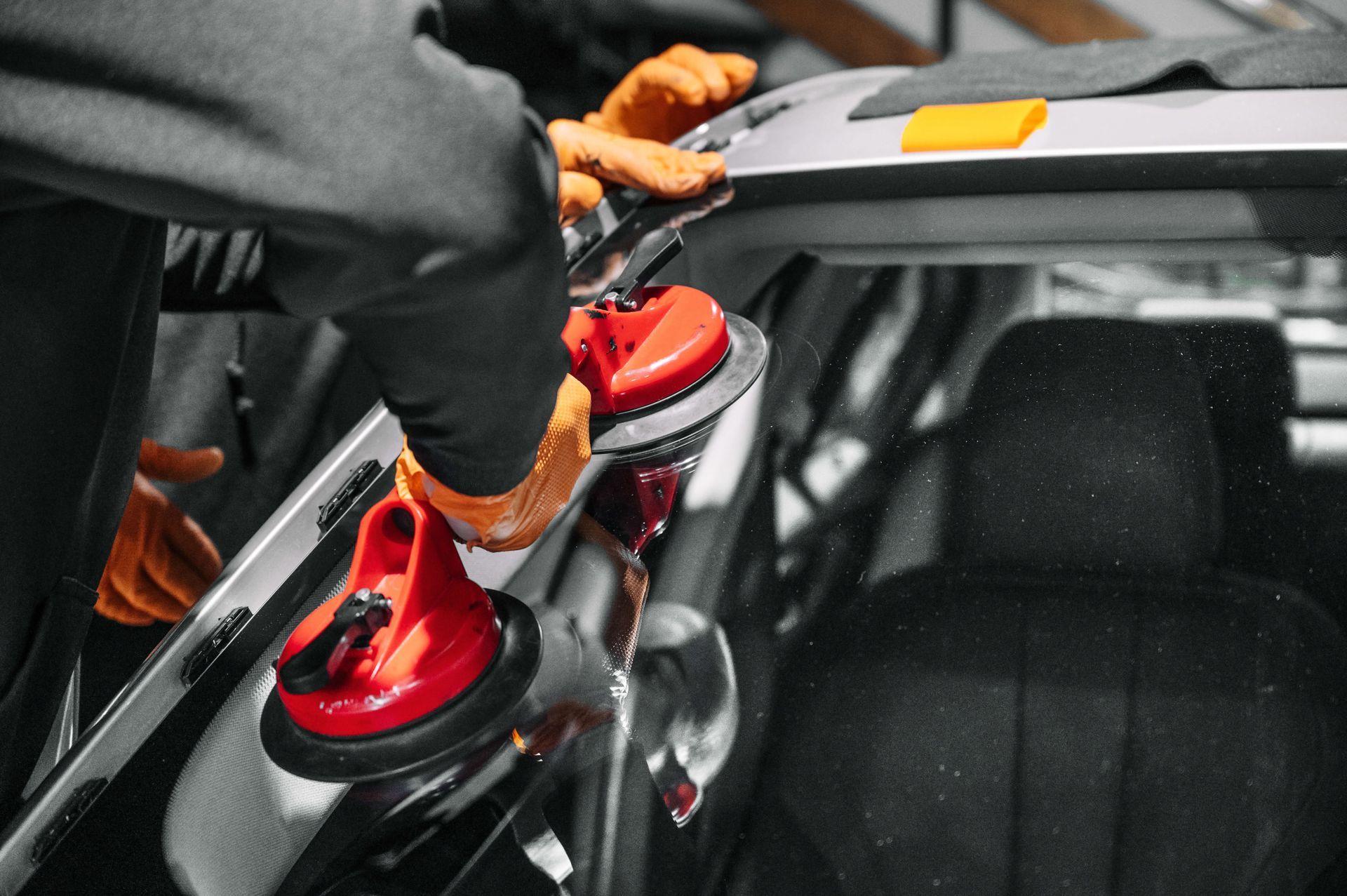
Advanced Driver Assistance Systems represent sophisticated safety technology that monitors your surroundings constantly while you drive. Common ADAS features include lane departure warning, forward collision alert, pedestrian detection, automatic high beam control, and traffic sign recognition. These systems rely on forward-facing cameras and sensors mounted near or directly behind your windscreen to scan the road ahead.
Vehicle calibration means resetting these sensors back to precise factory alignment so they interpret distance, angle, and speed accurately. Think of calibration like correcting a camera lens that has shifted slightly out of focus. The term calibration windshield refers to the precise alignment process required after installing new glass, while vehicle calibration encompasses all ADAS sensor adjustments throughout the car.
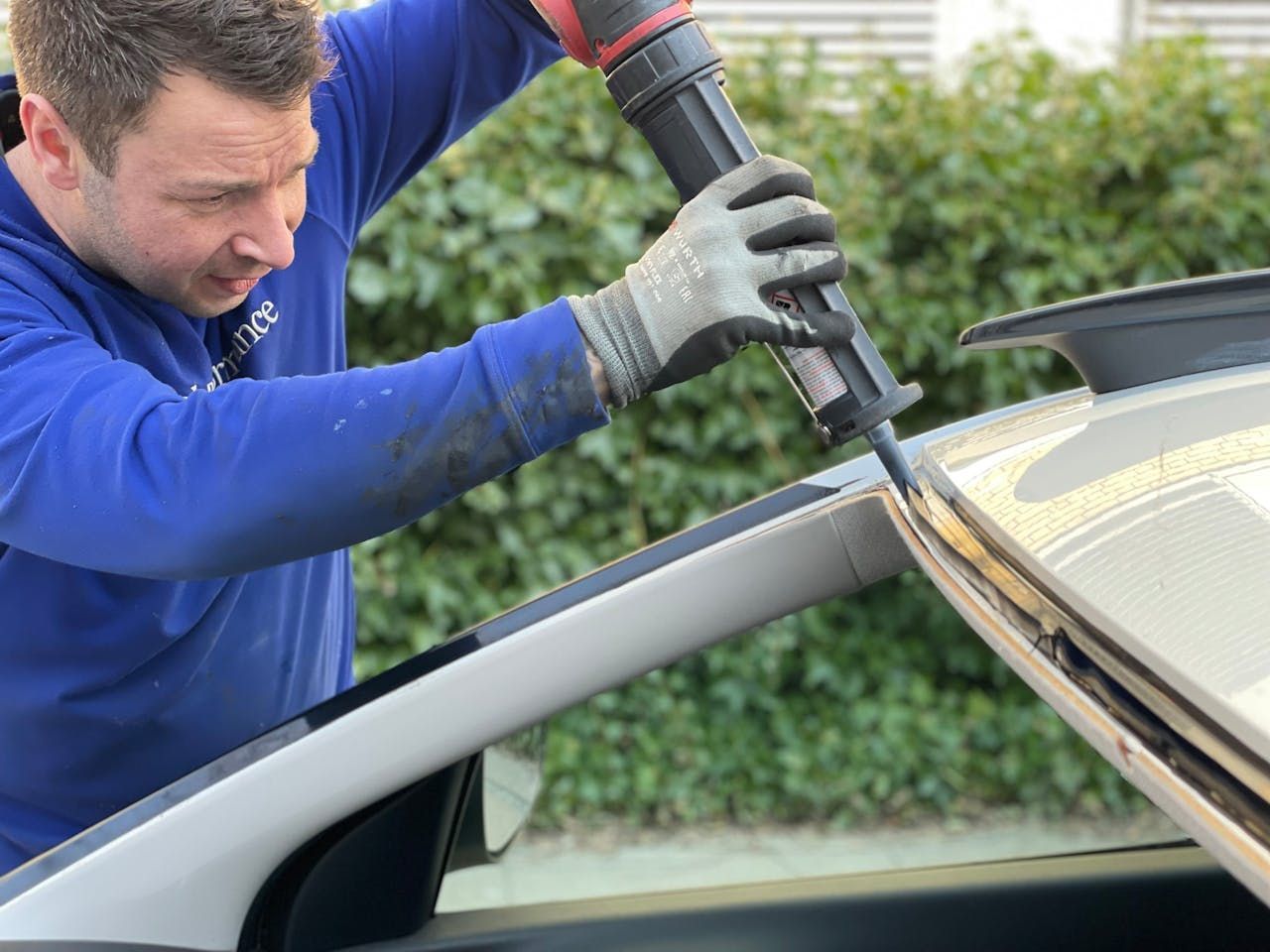
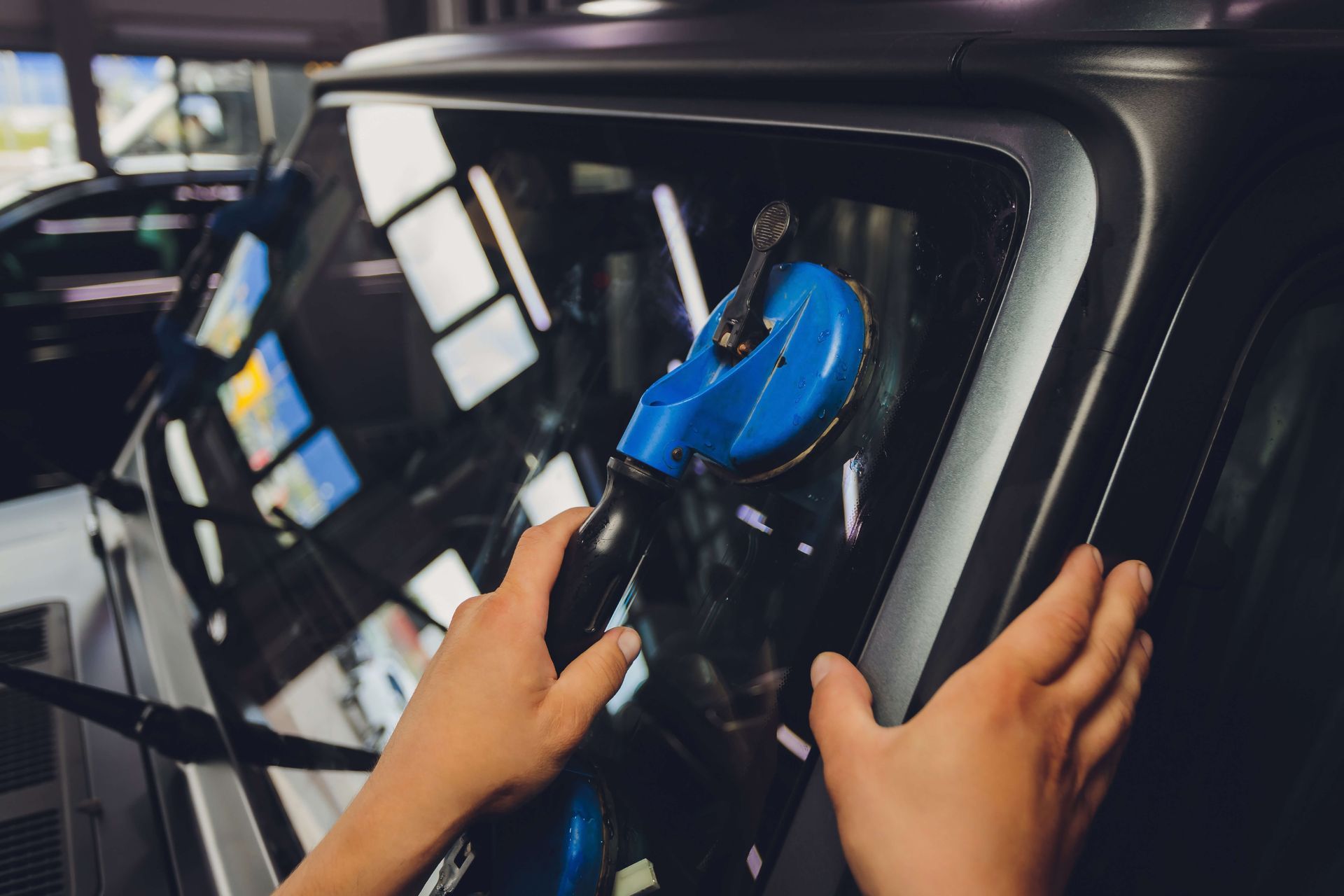
Any vehicle equipped with ADAS features requires recalibration after windscreen replacement, regardless of glass quality or installation precision. Even when technicians use Original Equipment Manufacturer specification glass and follow perfect installation procedures, the camera reference points change slightly compared to your previous windscreen. Major manufacturers, including Toyota, Honda, Ford, Mazda, and Volkswagen, explicitly mandate recalibration in their service guidelines for this exact reason.
In Australia, proper ADAS calibration is increasingly becoming part of roadworthy standards, and some insurers are beginning to require proof of calibration for comprehensive coverage on newer vehicles. The dangerous misconception that your system feels normal means it's correctly calibrated puts lives at risk. Small misalignments remain completely invisible to drivers during regular use because the differences only become apparent in emergencies when split-second accuracy determines whether your car stops in time or crashes.
Calibration becomes necessary any time an ADAS sensor's angle, orientation, or mounting distance changes, even by tiny amounts that seem insignificant. Most drivers don't realize how common these situations are. Even minor fender benders, routine wheel alignments, or professional windscreen replacements trigger the need for recalibration to maintain the safety systems you rely on daily. This process focuses on restoring accuracy rather than repairing physical damage.
Common scenarios requiring immediate recalibration include:
Proper calibration requires specialized diagnostic equipment, manufacturer-specific software, and exact OEM procedures that vary between different vehicle makes and models. The automotive industry recognizes two standard calibration methods, each suited to different vehicle systems and manufacturer requirements.
Static calibration takes place in a controlled indoor environment with perfectly level floors, printed calibration targets positioned at precise distances, and alignment tools that measure angles to fractions of a degree. Technicians follow step-by-step prompts from OEM diagnostic software that guides them through positioning targets, adjusting camera angles, and verifying accuracy through multiple test sequences. The entire process happens while your vehicle remains stationary, with computers analyzing camera input against known reference patterns to establish correct alignment parameters.
Dynamic calibration requires technicians to drive your vehicle on actual roads while scan tools monitor ADAS sensor performance in real-world conditions. The process involves driving at specific speeds on routes with clear lane markings, consistent lighting, and minimal traffic interference. Weather conditions, road surface quality, and available test routes all influence how quickly calibration completes successfully.
Attempting calibration without professional equipment creates systems that misread genuine hazards while failing to protect you during emergencies. DIY calibration with phone apps or generic tools can result in your lane-keep assist steering you into traffic lanes instead of away from them, creating deadly situations. Even small measurement errors cause your collision warning to activate randomly or fail when you need it most. Improper calibration often disables ADAS features entirely, leaving dashboard warning lights illuminated permanently.
Professional calibration typically happens during the same appointment as your windscreen replacement, minimizing inconvenience and ensuring your vehicle remains roadworthy throughout the service. Costs vary based on your vehicle's make and model, the complexity of installed safety systems, and whether static or dynamic calibration is required. Getting calibration completed by auto glass specialists costs significantly less than dealership rates while maintaining the same accuracy and safety standards.
Practical considerations affecting your service include:
Do all cars need calibration after a new windscreen?
Not all cars require calibration, but any vehicle equipped with ADAS features like lane-keep assist, adaptive cruise control, or collision warning systems needs recalibration after windscreen replacement.
Does insurance usually cover ADAS calibration?
Most comprehensive car insurance policies cover calibration costs when windscreen damage results from covered events like storms, vandalism, or collisions.
Do I need a dealership for calibration, or can specialists do it?
No, you don’t need a dealership. Qualified auto glass specialists with proper ADAS equipment and training can calibrate your system safely and accurately.
What if a previous glass replacement wasn't calibrated?
Book an ADAS check as soon as possible. A specialist can recalibrate your system without replacing the windscreen again, restoring correct safety performance.
How long does ADAS recalibration take after windscreen replacement?
Most calibrations take around 30–90 minutes, depending on your vehicle and systems. It’s usually completed during the same appointment as windscreen replacement.
When your windscreen is replaced, proper ADAS calibration isn’t optional; it’s the final step that keeps your safety systems working the way manufacturers designed them to. At Brisbane Windscreens, our technicians use the same advanced equipment and OEM procedures trusted by dealerships, but with faster service and mobile convenience.
We’ll assess your system, complete any required calibration, and make sure you’re driving with full confidence again. Contact us today for expert windscreen replacement and accurate ADAS recalibration wherever you are in Brisbane.
Let's connect! We’re here to help.
Send us a message and we’ll be in touch.
Or give us a call today at 0721-393-842

Brisbane Windscreens is the mobile windscreen replacement and repair service provider in Brisbane.
Email us:
Call or text us:
Business Address:
255 Redbank Plains Rd,
Redbank Plains QLD 4301